
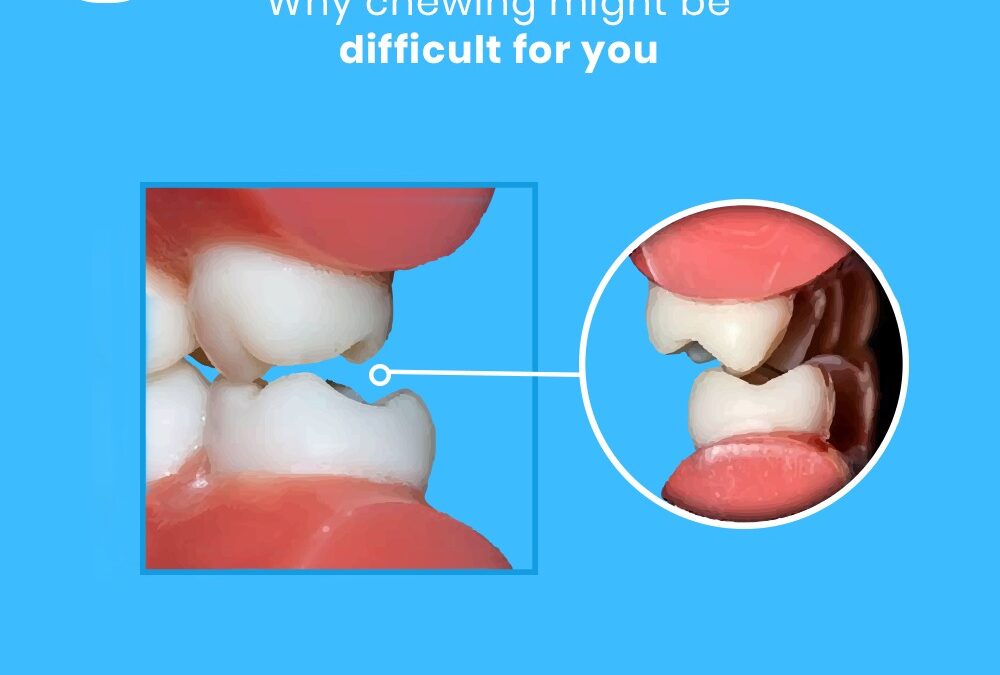
The effects of having a bite issue could affect your eating and speaking, breathing and confidence in yourself. It is good news that Oral and Maxillofacial Surgery provides an effective solution through correctional jaw surgeries. This complete guide explains the process of Orthognathic Surgery can transform lives by repairing jaws that are misaligned and restoring their proper function.
What is Corrective Jaw Surgery?
Correctional jaw surgery also referred to in the field of orthodontic surgery is a special procedure in Oral and Maxillofacial Surgery which repositions the jaw’s upper or lower jaw or both. The jaw alignment procedure corrects skeletal issues that braces alone are not able to fix. The Oral Maxillofacial Surgeon is able to perform these complicated procedures to fix misaligned jaw alignment problems. Orofacial surgery techniques have been improved dramatically and have made Oral and Maxillofacial Surgery more efficient and safer than ever before.

The science of facio maxillary treatment has changed the way specialists tackle bite issues. If you require surgery for an overbite or jaw surgery that is underbite an experienced maxillofacial expert will create a customized treatment strategy.
Who Needs Oral and Maxillofacial Surgery for Bite Problems?
Being aware of when you should visit an oral surgeon to correct a bite is crucial. Oral and Maxillofacial Surgery becomes necessary when orthodontic treatments alone are not enough to fix jaw problems structurally.
Common Conditions Requiring Corrective Jaw Surgery
A max fax surgeon is able to treat various ailments through Oral and Maxillofacial Surgery, including:
- Severe overbites requiring overbite jaw surgery
- Underbites require jaw surgery to correct the underbite.
- Unclosed bites in which the teeth do not meet correctly
- Asymmetry in the facial area that requires correction of facial deformity.
- Sleep Apnea is treated with jaw surgery to treat sleep apnea.
- TMJ disorders requiring TMJ surgery
Less Common But Possible Reasons.
Stress or Anxiety
Stress patients often engage in self-soothing behaviour such as rubbing their face, bracing their jaws, or pinching the cheeks. During dental treatment, it may reflect nervousness, anxiety, and/or discomfort, especially with anxious patients.
Body-Focused Repetitive Behaviour (BFRB)
For some, repetitive cheek rubbing, cheek pressing, or touching is part of a ritualized or compulsive habit. This may have a context of a current anxiety disorder or obsessive-compulsive behaviour.
What Cheek Pressing Indicates in the Dental Chair
Cheek pressing can be a key observation by hygienists and dentists, perhaps while a patient is waiting, having their teeth cleaned, or during a consultation, that can be a useful observation to the clinician for the following clinical observations:
Localization of pain: Can help localize the source of pain
Type of pain: Sharp versus dull, spontaneous versus provoked
Duration: Chronic discomfort can be an indicator of chronic infection or misalignment
Intensity: Patients only press their cheeks when having acute pain
We must appreciate observational empathy. We should not dismiss the behavior as a trivial or nervous habit and it’s always a good idea for clinicians to ask with pleasant politeness:
“I noticed you were pressing your cheek—do you have pain there?”
Clinically, this may be a moment for patients to express symptoms they hadn’t previously stated.

Pyorrhoea
Pyorrhoea
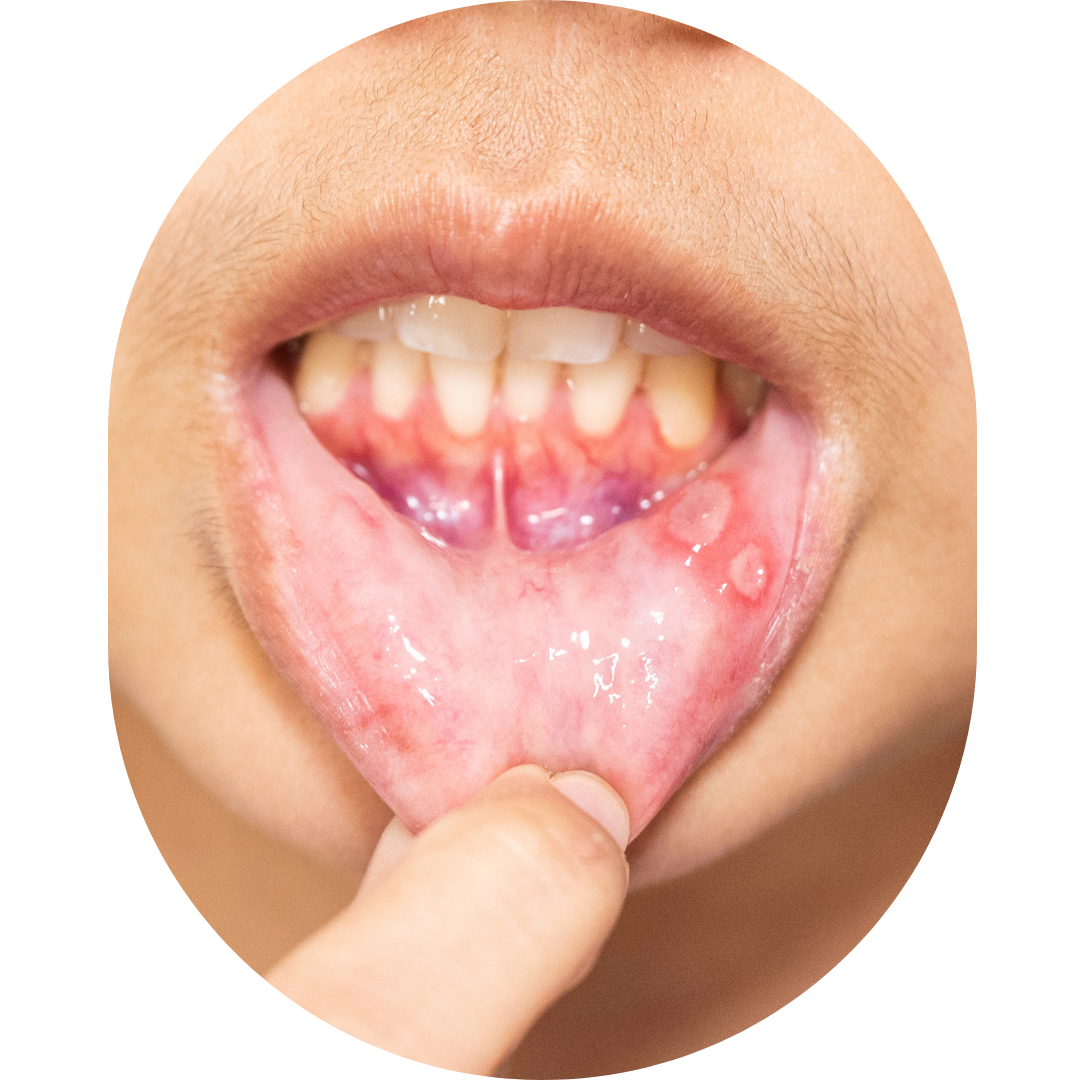
Mouth Disorders
Mouth Disorders
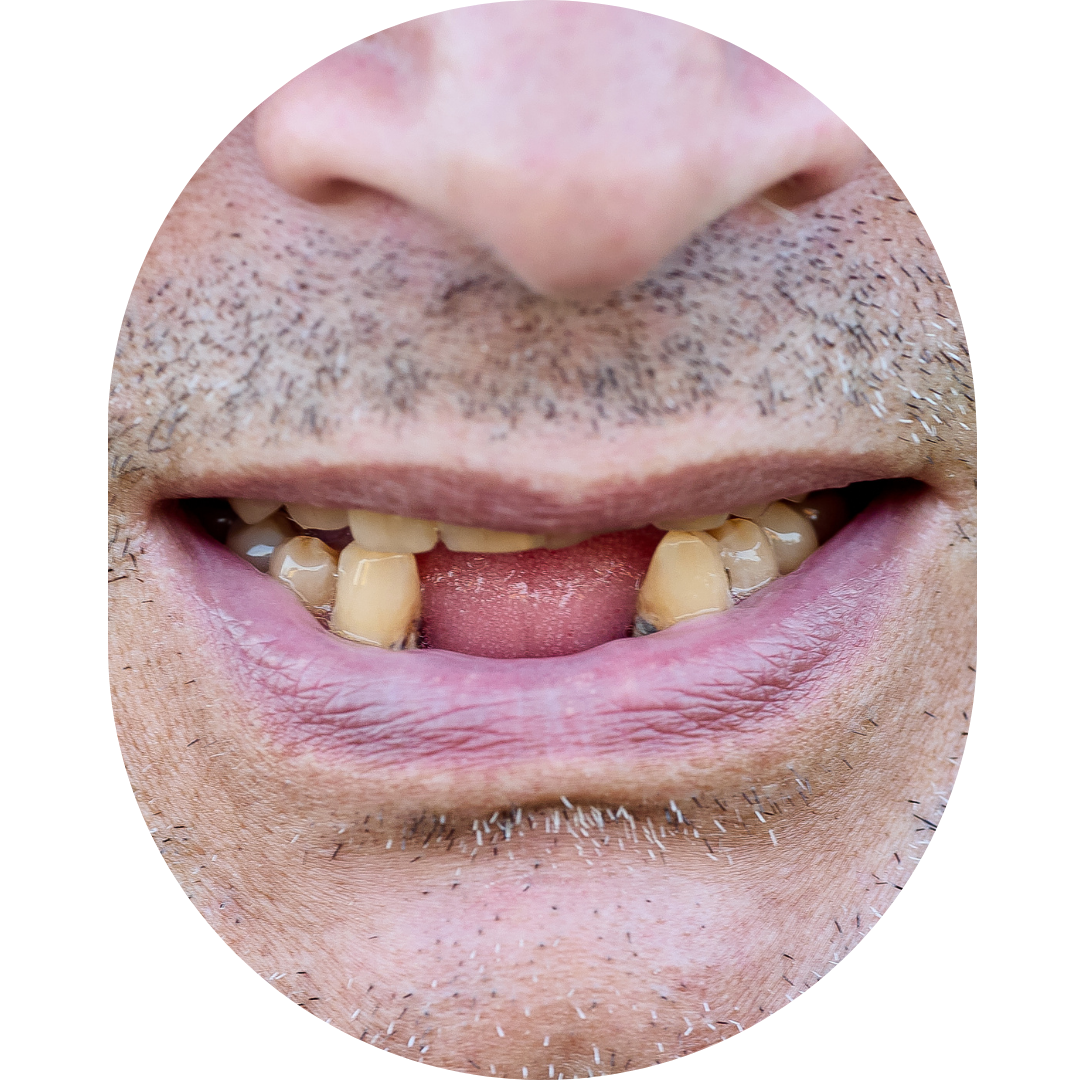
Missing Teeth
Missing Multiple Teeth
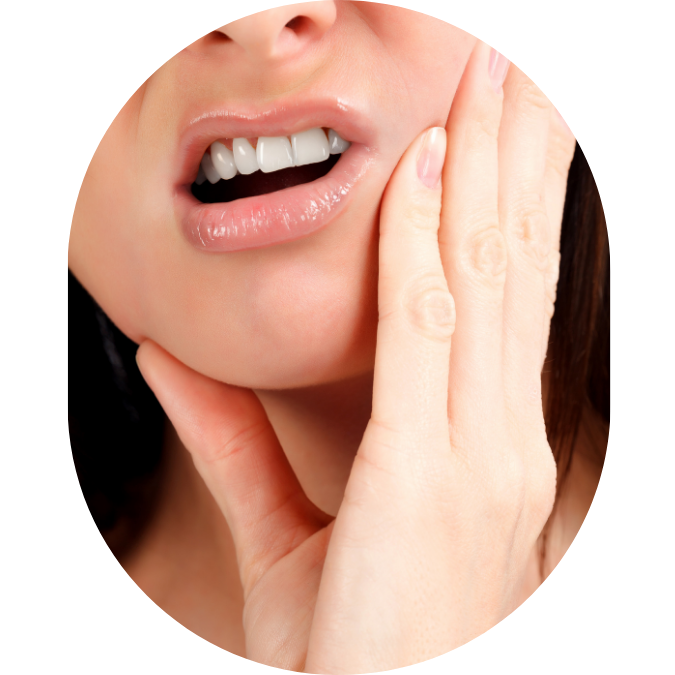
Jaw Pain
Jaw Pain
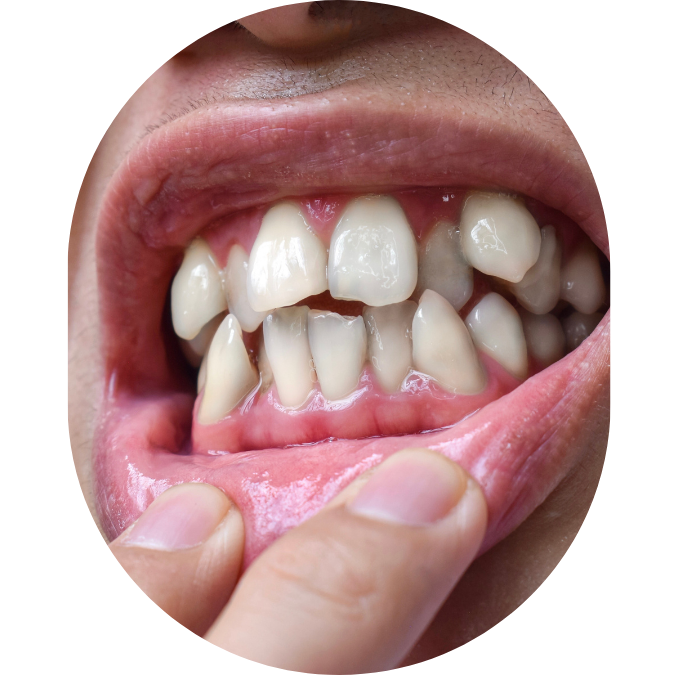
Crooked Teeth
Full Mouth
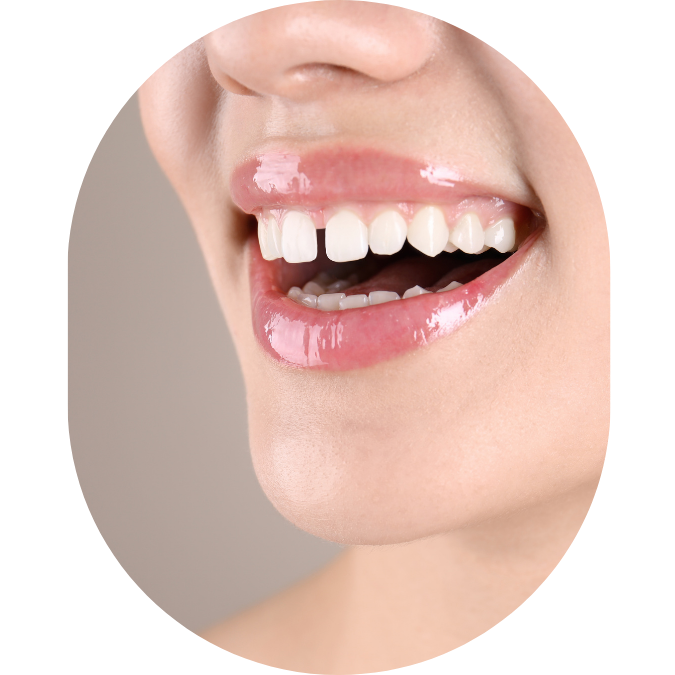
Gaps in teeth
Gaps in Teeth
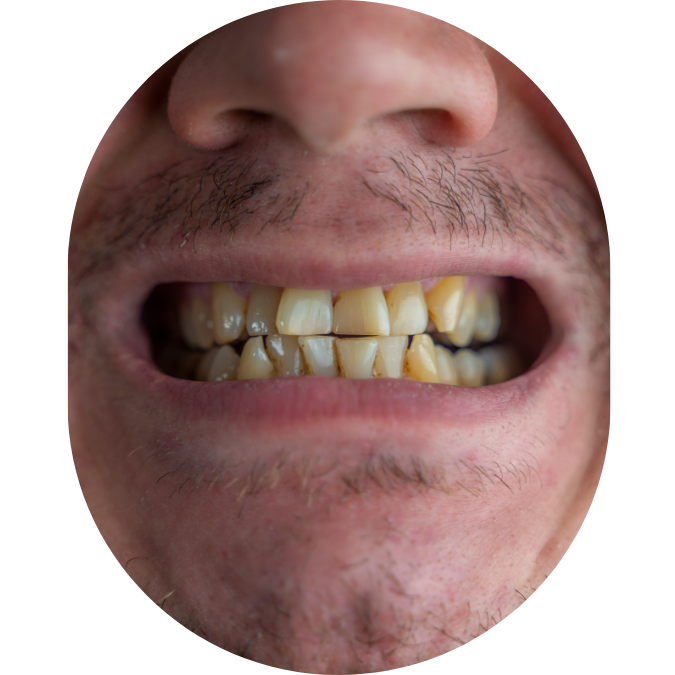
Full Mouth
Full Mouth
Patient Education and Preventive Strategies
Once the source of their ailment has been established, patients can be assisted with counselling.
- Oral hygiene recommendations: for ulcers or gum disease
- Night guards: to provide a barrier to prevent bruxism, clenching or TMJ
- Dietary advice: to minimize overheating, hard, and acidic foods
- Post-surgical care advice: for healing following an extraction or infection
- Stress management advice: if the cheek pressing is related to stress management
Explaining to the patient why they may be experiencing pain and what they can do at home goes a long way in reducing unnecessary fear while building rapport and trust.
How to Take It Seriously: Potential Red Flags
Cheek pressing is usually benign, but it may represent more serious disease if associated with any of the following:
- Facial swelling or obvious facial asymmetry
- Fever or non-specific malaise
- Truisms (difficulty opening the mouth)
- Numbness or paraesthesia
- Acute, severe pain
These signs should never be ignored and it is prudent to investigate. Infections that begin in the mouth can spread rapidly and potentially have systemic effects.
When a patient pinches their cheek, it’s more than a bite of movement it’s a silent indication something is “off.” Dental pain, jaw pain, infection, sinusitis, stress, whatever it is, this is the body’s cue that help is needed.
For dentists, noticing and then inspecting for the cues, with a sense of curiosity, empathy, and clinical practice can lead to distinguishing one dentist, from a great dentist to a good dentist. It shows the patient that you are aware of their anxiety, even before they say anything; it demonstrates a level of trust that can transform a good dentist into a great dentist.
Ultimately, when we take the time to listen, not just for what the patient is saying but also, for what they are doing, it elevates care, and ensures no silent messages go unnoticed.
Maxfax surgical procedure additionally addresses the issues arising from Cleft lip and palate surgery as well as surgeries for facial trauma. The knowledge and expertise of Orofacial Surgery extends to patients suffering from chronic jaw pain and require treatment.
Signs You May Need Oral and Maxillofacial Surgery
Patients should think about consulting with an Oral and Maxillofacial Surgeon near me in the event of:
- It is difficult to chew or bite food.
- The chronic jaw pain and TMJ disorders require treatment.
- Problems with speech related to jaw posture
- Sleep apnea, breathing problems and sleep apnea
- Unbalanced facial features can affect appearance
The facio maxillary specialist will assess your situation and determine whether Oral and Maxillofacial Surgery is appropriate for your particular situation.
How Oral and Maxillofacial Surgeons Fix Bite Problems
The procedure to correct surgical procedures for the jaw or facial is a complex process that involves many stages. Knowing the way Oral and Maxillofacial Surgery performs can help patients get ready to embark on their trip.
Initial Consultation and Diagnosis
The first time you visit the dental clinic for maxillofacial surgeries will involve a thorough examination. The maxillofacial surgeon analyzes the jaw’s structure and bite, alignment as well as facial harmony. In this stage in Oral and Maxillofacial Surgery planning, advanced imaging provides detailed images of the facial bones. These images aid your max fax surgeon make exact surgical strategies for your facio maxillary treatment.
Pre-Surgical Orthodontic Treatment
Prior to maxfax surgery the majority of patients undergo orthodontic treatment. Braces help align your teeth prior to Oral and Maxillofacial Surgery, ensuring the best results following jaw adjustment. The orofacial surgery preparation phase generally runs between 12 and 18 months. The orthodontist collaborates together with you oral maxillofacial specialist in order to plan your entire treatment strategy.
Surgical Procedure
Oral and Maxillofacial Surgery for bite corrections is done with general anesthesia. Knowing the effects of anesthesia during oral surgery will help patients reduce anxiety over the facial maxillary procedure procedures.
Upper Jaw Surgery (Le Fort I Osteotomy)
It is an Oral and Maxillofacial Surgery procedure that repositions your upper jaw. Your max fax surgeon makes incisions inside your mouth, avoiding visible facial scars during orofacial surgery.
Lower Jaw Surgery (Bilateral Sagittal Split Osteotomy)
The Maxfax surgical procedure for the jaw’s lower part requires precise bone cuts that permit the jaw to be repositioned. It is a facio maxillary procedure that is effective in repairing underbites as well as the receding jaws of the lower jaw.
Combined Jaw Surgery
Some patients need both lower and upper surgical reconstruction of the jaw. This complete Oral and Maxillofacial Surgery approach addresses complicated bite issues that require the most extensive maxillary and oral surgery.
Why Choose Oral and Maxillofacial Surgery for Bite Correction?
The advantages of deciding to choose Oral and Maxillofacial Surgery for bite issues go beyond aesthetics. A highly skilled maxillofacial expert offers life-changing results by performing the corrective procedure for jaws.
Functional Benefits of Oral and Maxillofacial Surgery
- Increased efficiency of chewing after jaw aligning surgery
- More comfortable breathing particularly for jaw surgery patients with sleep apnea. patients
- Clarity of speech improved in the aftermath of facio maxillary therapy
- Reduced TMJ discomfort by temporomandibular joint disorder treatment
- Teeth grinding less following maxfax surgery
Aesthetic Benefits
Beyond the function, Oral and Maxillofacial Surgery improves the harmony of facial appearance. The facial reconstruction surgery techniques employed to perform Orthognathic Surgery make well-balanced, proportionate facial features.
People who go through oral maxillofacial surgery using fax frequently report improved confidence in themselves. The aesthetic enhancements that come that result from Oral and Maxillofacial Surgery can be transformational for patients suffering from difficult bite issues.
What to expect?
The initial weeks following an operation with maxfax must be watched closely for healing protocols. Your max fax surgeon gives you detailed instructions to ensure the best healing following orofacial surgery.
When they first recover following Oral and Maxillofacial Surgery Patients are able to experience:
- Facial swelling lasting 2-3 weeks
- The jaw is stiff and requires physical therapy
- Liquids and soft food diet limitations
- Numbness and tingling in the facial area
Long-Term Recovery Timelines
Complete healing after facio maxillary procedures usually takes between 6 and 12 months. Bone healing following Oral and Maxillofacial Surgery requires patience and adhering to your maxillofacial doctor’s direction. The recovery after jaw surgery is different from the recovery following the extraction of wisdom teeth. The complex nature of jaw aligning surgery will require a longer healing time as opposed to the simpler orofacial surgery procedures.
Risks of Oral and Maxillofacial Surgery
As with all surgical procedures, Oral and Maxillofacial Surgery has risks. Knowing these risks can help patients make informed choices about the corrective procedure for their jaw.
Choosing the Right Oral and Maxillofacial Surgeon
Selecting a specialist who is qualified to perform Your Oral and Maxillofacial Surgery is crucial for achieving the best results.
Conclusion
Oral and Maxillofacial Surgery can provide life-changing treatments for patients who suffer from bite issues. Utilizing the most advanced surgical orthognathic methods, a highly skilled maxillofacial expert can correct jaw misalignment and improve both appearance and function.