Orthognathic Surgery in Mumbai | Jaw Surgery Specialist Mumbai

Orthognathic surgery, or as many would say, corrective jaw surgery, is a transformative procedure designed to correct misalignments of the upper and lower jaws. This type of correction is done to improve both functionality and aesthetics. Orthognathic Jaw Surgery can help restore balance and harmony to the facial structure, whether you’re dealing with difficulty chewing, speaking, or breathing. At our dental clinic in Mumbai, we offer expert consultation and customized treatment plans tailored to your oral needs. With advanced techniques and latest technology, even cosmetic dental treatment can ensure a smooth, effective recovery process.


Dr Chirag Chamria

Orthognathic Surgery Kandivali: Jaw Alignment in Kandivali Mumbai

Dentist in Kandivali East
Best Dentist in Mumbai
jaw surgery,orthognathic surgery,Jaw Surgery Specialist Mumbai,Orthognathic Surgery Kandivali,Corrective Jaw Surgery Mumbai,Underbite surgery Mumbai,Overbite jaw correction Kandivali,jaw alignment surgery

Dental Consultation Process | Dr Chirag Chamria

Dental Clinic in Mumbai
Patient Check in
jaw surgery,orthognathic surgery,Jaw Surgery Specialist Mumbai,Orthognathic Surgery Kandivali,Corrective Jaw Surgery Mumbai,Underbite surgery Mumbai,Overbite jaw correction Kandivali,jaw alignment surgery
Preliminary Consultation
jaw surgery,orthognathic surgery,Jaw Surgery Specialist Mumbai,Orthognathic Surgery Kandivali,Corrective Jaw Surgery Mumbai,Underbite surgery Mumbai,Overbite jaw correction Kandivali,jaw alignment surgery
Dental Scan
jaw surgery,orthognathic surgery,Jaw Surgery Specialist Mumbai,Orthognathic Surgery Kandivali,Corrective Jaw Surgery Mumbai,Underbite surgery Mumbai,Overbite jaw correction Kandivali,jaw alignment surgery
Your Decision
jaw surgery,orthognathic surgery,Jaw Surgery Specialist Mumbai,Orthognathic Surgery Kandivali,Corrective Jaw Surgery Mumbai,Underbite surgery Mumbai,Overbite jaw correction Kandivali,jaw alignment surgery

Patient Check in

jaw surgery,orthognathic surgery,Jaw Surgery Specialist Mumbai,Orthognathic Surgery Kandivali,Corrective Jaw Surgery Mumbai,Underbite surgery Mumbai,Overbite jaw correction Kandivali,jaw alignment surgery

Preliminary Consultation

jaw surgery,orthognathic surgery,Jaw Surgery Specialist Mumbai,Orthognathic Surgery Kandivali,Corrective Jaw Surgery Mumbai,Underbite surgery Mumbai,Overbite jaw correction Kandivali,jaw alignment surgery

Dental Scan

jaw surgery,orthognathic surgery,Jaw Surgery Specialist Mumbai,Orthognathic Surgery Kandivali,Corrective Jaw Surgery Mumbai,Underbite surgery Mumbai,Overbite jaw correction Kandivali,jaw alignment surgery

Your Decision

Consult Oral and Maxillofacial Surgeon in Mumbai at Rs 1500

Find a reputable oral and maxillofacial specialist in Mumbai at just 1500 rupees and receive a thorough oral exam as well as digital scans and an individual treatment plan during one visit. The one-time cost includes consultation, X-rays/CBCT as required, and a follow-up visit at the Royal Dental Clinics, Kandivali. Book your in-clinic or virtual appointment now at chiragchamria.com for expert same-day solutions.

Get Consultation from International Trained Dentist in Mumbai

Oral Surgeon in Mumbai
Dr Robert Kerstein
Dr Jatin Shah and Dr Chirag Chamria
Dr Jatin Shah
Oral Surgeon in Mumbai | Jaw and TMJ and Implant Expert
Dr Paulo Malo
Dr. Tomas Albrektsson with Dr Chirag Chamria<br />
Dr Tomas Albrrektsson
jaw surgery,orthognathic surgery,Jaw Surgery Specialist Mumbai,Orthognathic Surgery Kandivali,Corrective Jaw Surgery Mumbai,Underbite surgery Mumbai,Overbite jaw correction Kandivali,jaw alignment surgery

Dr Jatin Shah

jaw surgery,orthognathic surgery,Jaw Surgery Specialist Mumbai,Orthognathic Surgery Kandivali,Corrective Jaw Surgery Mumbai,Underbite surgery Mumbai,Overbite jaw correction Kandivali,jaw alignment surgery

Dr Tomas Albrrektsson

jaw surgery,orthognathic surgery,Jaw Surgery Specialist Mumbai,Orthognathic Surgery Kandivali,Corrective Jaw Surgery Mumbai,Underbite surgery Mumbai,Overbite jaw correction Kandivali,jaw alignment surgery

Dr Paulo Malo

jaw surgery,orthognathic surgery,Jaw Surgery Specialist Mumbai,Orthognathic Surgery Kandivali,Corrective Jaw Surgery Mumbai,Underbite surgery Mumbai,Overbite jaw correction Kandivali,jaw alignment surgery

Dr Robert Kerstein

Orthognathic Surgery in Mumbai | Corrective Jaw Surgery

Orthognathic surgery, also known as corrective jaw surgery, is a highly effective procedure designed to correct dental and skeletal discrepancies in the jaw and face that cannot be addressed by braces alone. This advanced surgery improves both functional and aesthetic aspects of your smile, making it an essential component of cosmetic treatment for those with severe jaw misalignment.

While braces are an integral part of this treatment, their role is to align the teeth before and after surgery to ensure a harmonious bite and visually pleasing results. The orthodontic phase often begins a year or more before the surgery, with orthodontists carefully aligning the teeth to ensure they fit properly once the jaws are repositioned.

During the initial phase of Orthognathic Surgery, a thorough examination is conducted, including X-rays, photographs, and digital impressions. These steps help in crafting a tailored treatment plan that ensures the best possible outcome. Braces, with brackets and wires, are then applied to guide the movement of teeth over several months, setting the foundation for successful surgery.

The main purpose of braces in Orthognathic Surgery is to achieve a stable bite, essential for jaw repositioning and long-term dental health. The process involves decompensating the teeth to align them correctly within each jaw independently. Although this may temporarily worsen the bite, it ensures the jaws are positioned properly during surgery. Once the surgery is complete, the jaws are stabilized using plates and screws, while the braces hold the teeth in their new position.

Post-surgery, the focus shifts to refining the teeth alignment, with patients continuing to wear braces for several months or up to a year. Regular follow-up visits to the orthodontist are necessary to adjust the braces and ensure optimal results.

For those seeking an alternative to traditional braces, aligners offer a more discreet solution. Custom-made and clear, these removable trays gradually move teeth and can be taken out for eating, brushing, and flossing. However, aligners are not suitable for addressing significant jaw discrepancies, which is where Orthognathic Surgery plays a crucial role, particularly in enhancing facial symmetry as part of cosmetic treatment.

Dr. Chirag Chamria is an Oral and Maxillofacial Surgeon known for his expertise in complex dental procedures, including zygomatic implants, orthognathic surgery, smile makeovers, and oral cancer treatment. With over10+ years of experience, he has redefined patient care by offering innovative one-day dental treatments, eliminating the need for multiple visits and long recovery times.

Overbite Jaw Correction Kandivali, Mumbai | Meet Dr Chirag Chamria

Oral Surgeon in Mumbai
Dr Robert Kerstein With Dr Chirag Chamria
Oral Surgeon in Mumbai | Jaw and TMJ and IMplant Exoert
Dr Paulo Malo With Dr Chirag Chamria
jaw surgery,orthognathic surgery,Jaw Surgery Specialist Mumbai,Orthognathic Surgery Kandivali,Corrective Jaw Surgery Mumbai,Underbite surgery Mumbai,Overbite jaw correction Kandivali,jaw alignment surgery

Dr Paulo Malo

jaw surgery,orthognathic surgery,Jaw Surgery Specialist Mumbai,Orthognathic Surgery Kandivali,Corrective Jaw Surgery Mumbai,Underbite surgery Mumbai,Overbite jaw correction Kandivali,jaw alignment surgery

Dr Robert Kerstein

Orthognathic Surgery and Cosmetic Treatment Collaboration

Many patients consider orthognathic surgery not only for functional improvements—such as enhancing bite alignment and chewing efficiency—but also for cosmetic treatment to achieve a more balanced facial appearance. Misaligned jaws can lead to aesthetic concerns, including asymmetrical facial features, a protruding jaw, or a receding chin. By properly aligning the teeth and jaws, orthognathic surgery can dramatically improve facial profiles and boost self-confidence.

The success of orthognathic surgery depends on a well-coordinated approach between the orthodontist and oral surgeon. Orthodontists play a critical role in preparing the teeth for surgery, ensuring they are in the optimal position for precise surgical intervention. Oral surgeons then reposition the jaws with accuracy, relying on this pre-surgical alignment for the best functional and aesthetic outcomes. Post-surgery, orthodontists refine the final tooth positioning to ensure long-term stability and success.

This seamless collaboration between orthodontists and oral surgeons is essential for achieving optimal facial harmony, functional bite correction, and enhanced aesthetics. Whether for medical necessity or cosmetic enhancement, a well-planned orthognathic surgery can be life-changing for patients.

Challenges and Advancements in Orthognathic Surgery

Orthognathic surgery is a long-term commitment, often taking years from start to finish. While this requires patience, the transformative results—improved dental function and enhanced facial aesthetics—make the journey worthwhile.

Advancements in orthodontic technology have made treatment more comfortable and discreet. Modern options like ceramic braces and clear aligners offer aesthetically pleasing alternatives to traditional metal braces, making the process more appealing for patients of all ages.

Education and psychological support play key roles in treatment success. Understanding the process helps patients stay committed, while support from orthodontists, oral surgeons, and loved ones eases concerns. Despite the temporary challenges, the promise of a balanced facial profile and better dental health serves as strong motivation.

Beyond aesthetics, orthognathic surgery can improve overall health by addressing conditions like sleep apnea, TMJ disorders, and chronic headaches. Proper jaw alignment enhances both function and quality of life, making it a life-changing procedure for many.

☤ Dr Chirag Chamria Accolades

Same Day Teeth

In many cases, we can place implants and attach fixed teeth on the same day, maximising patient convenience.

Minimally Invasive

Oral Surgeon in Mumbai Dr. Chirag Chamria and team has a proven track record of successful zygomatic implant surgeries.

Technology Precision

Our clinic utilises advanced technology like CBCT scans and 3D printing for precise implant placement and optimal outcomes.

Seamless Experience

From consultation to post-operative care, the team ensures a smooth and comfortable experience throughout.

Dr. Chirag Chamria Consultation (Oral Surgeon in Mumbai)

  • Detailed written treatment plan with options
  • X-Ray/OPG/CBCT/Intra-oral scan as required*

We specialize in providing comprehensive dental treatments, including teeth straightening and beautification, all in a single day. Our team ensures that every patient receives personalized care, tailored to their needs and travel itinerary.

Orthognathic Jaw Surgery Case Study

jaw surgery,orthognathic surgery,Jaw Surgery Specialist Mumbai,Orthognathic Surgery Kandivali,Corrective Jaw Surgery Mumbai,Underbite surgery Mumbai,Overbite jaw correction Kandivali,jaw alignment surgery

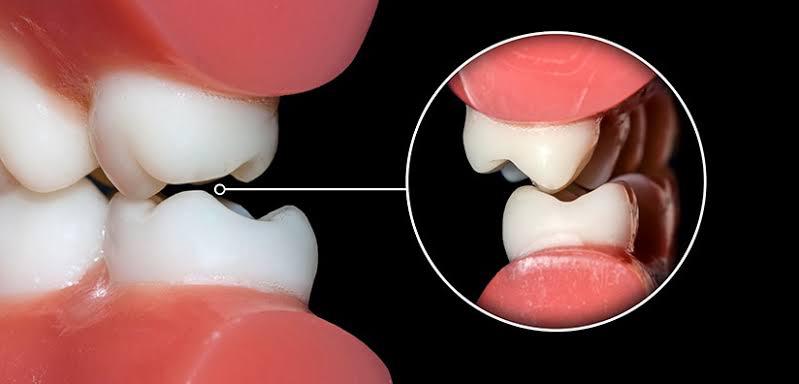
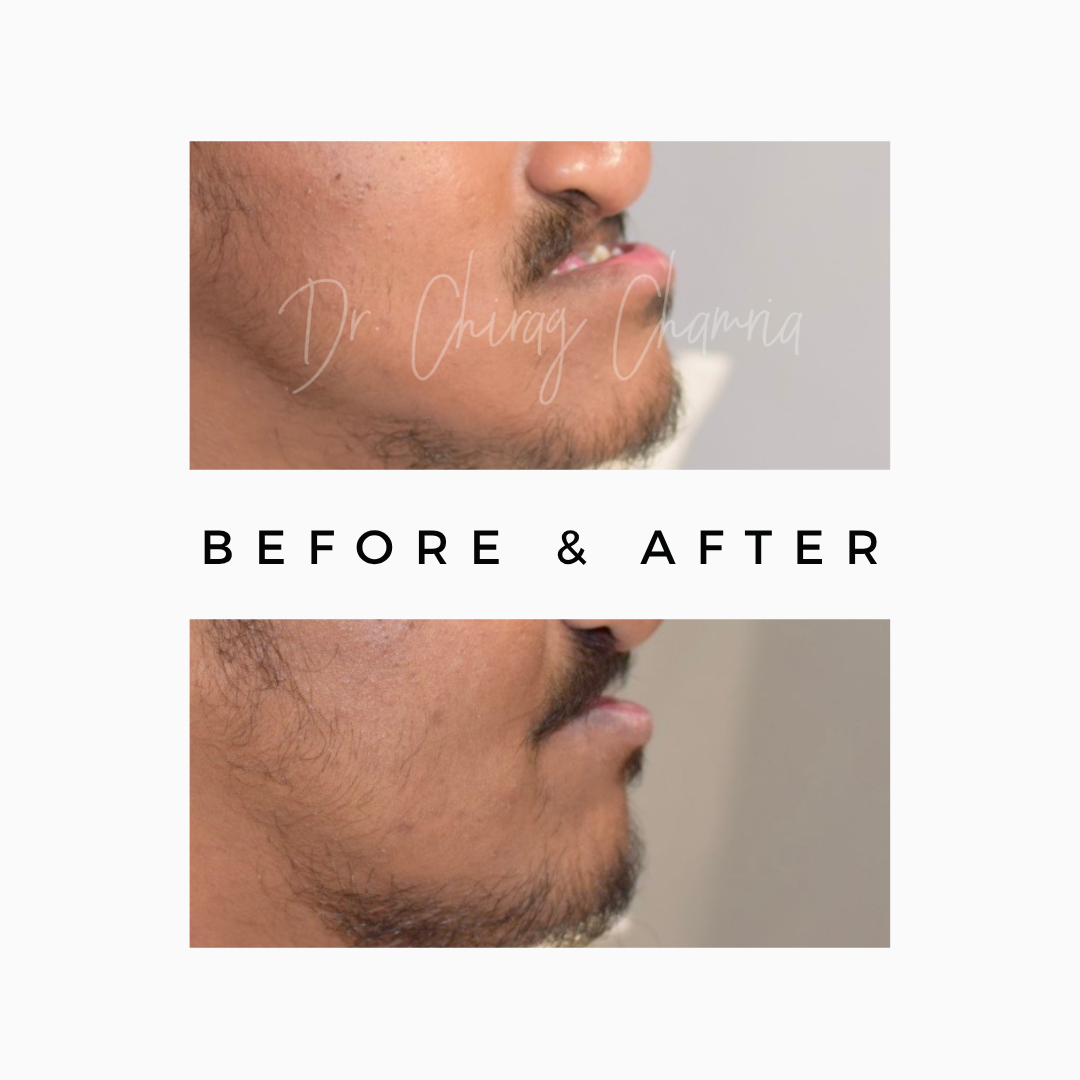
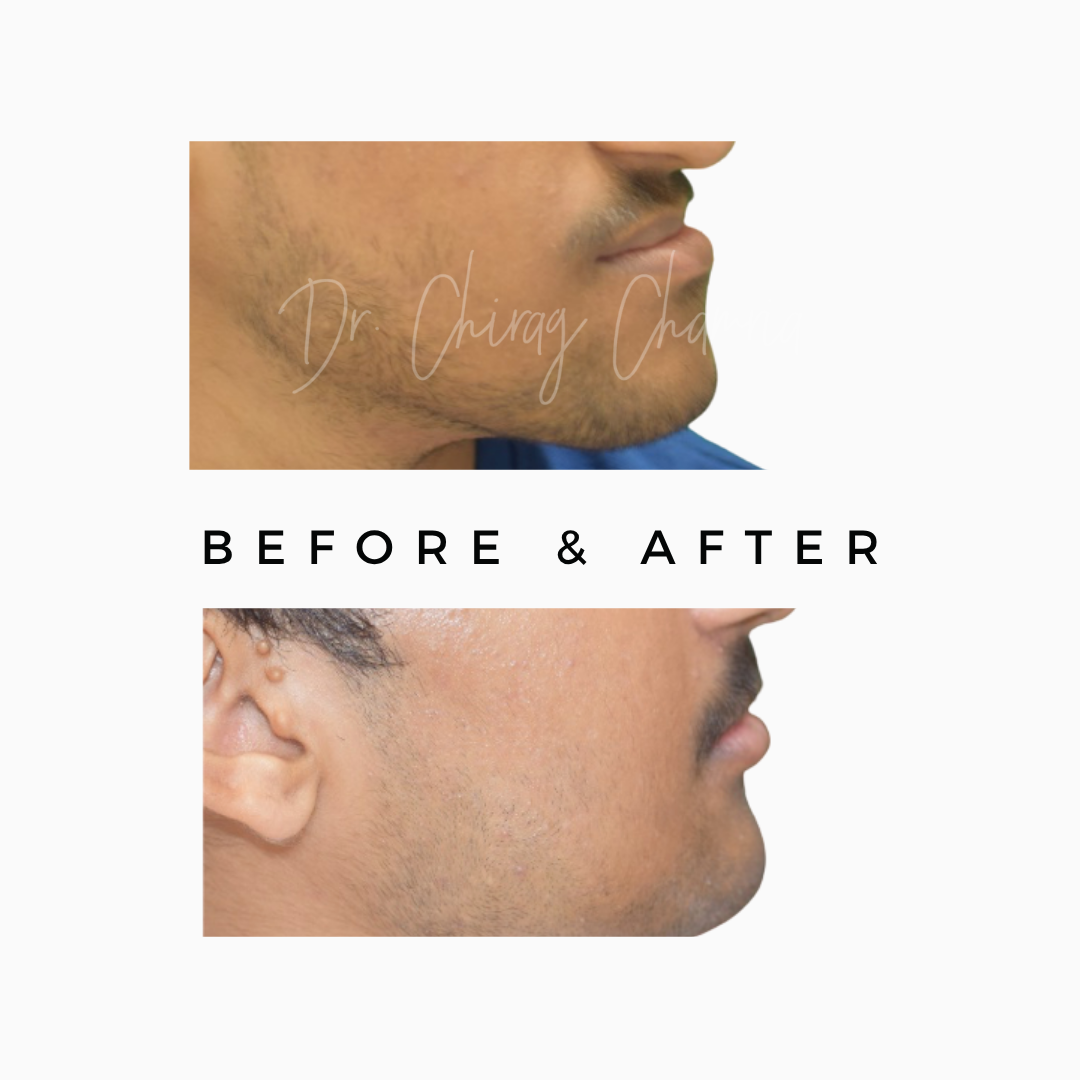
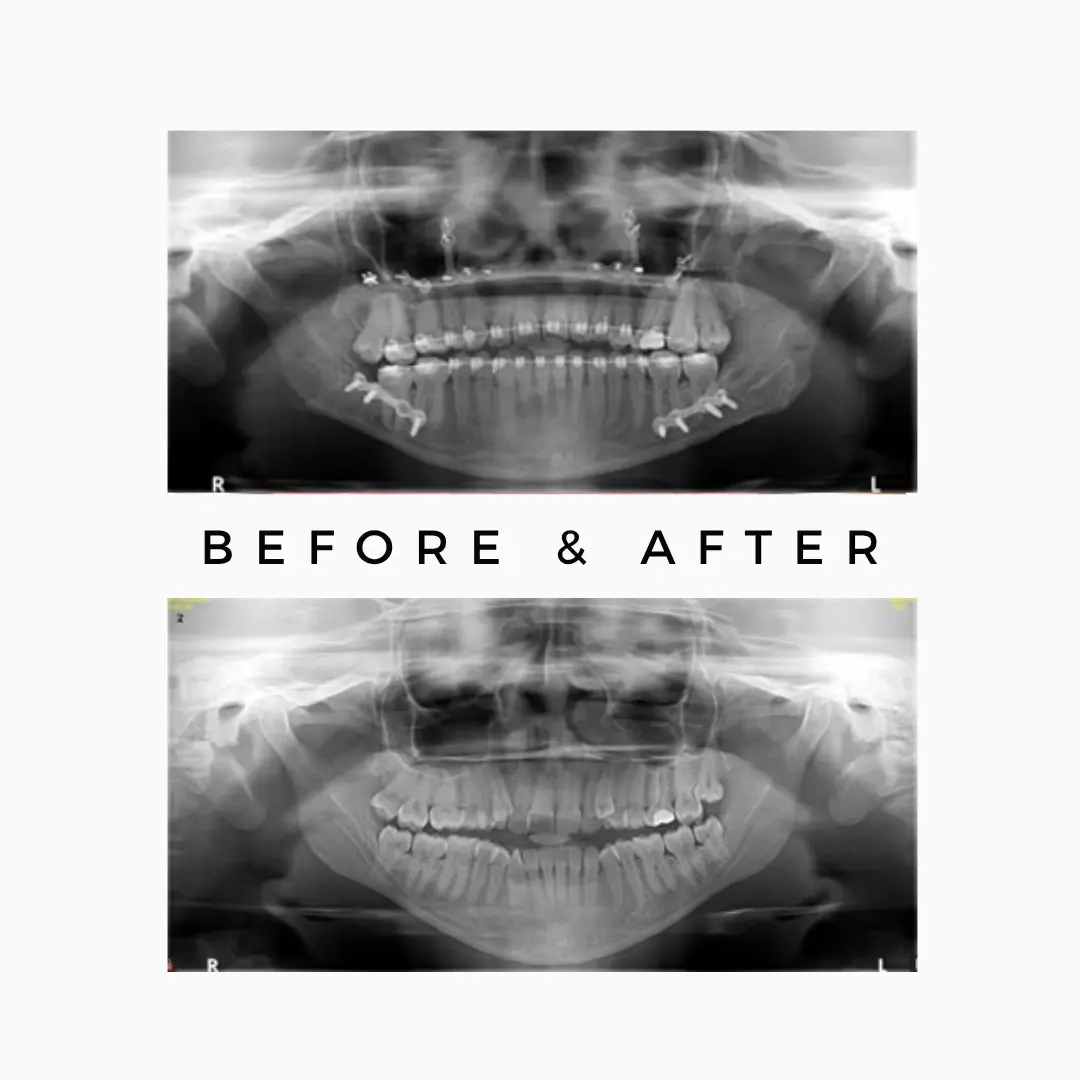
Orthognathic Surgery for Forwardly Placed Mandible

A 19-year-old male patient reported with a forwardly placed lower jaw, reverse bite, crowding of the front teeth, and difficulty in chewing. After detailed clinical evaluation, diagnosis, and treatment planning by the orthognathic team, surgical correction was advised to improve jaw alignment, bite function, and facial balance. In June 2025, the patient underwent orthognathic surgery involving Le Fort I osteotomy and Bilateral Sagittal Split Osteotomy (BSSO), followed by fixation with customised miniplates and screws. The treatment was planned and performed by the oral and maxillofacial surgery and dental team, with the objective of correcting the skeletal discrepancy, improving chewing efficiency, and achieving better functional and aesthetic harmony.

jaw surgery,orthognathic surgery,Jaw Surgery Specialist Mumbai,Orthognathic Surgery Kandivali,Corrective Jaw Surgery Mumbai,Underbite surgery Mumbai,Overbite jaw correction Kandivali,jaw alignment surgery

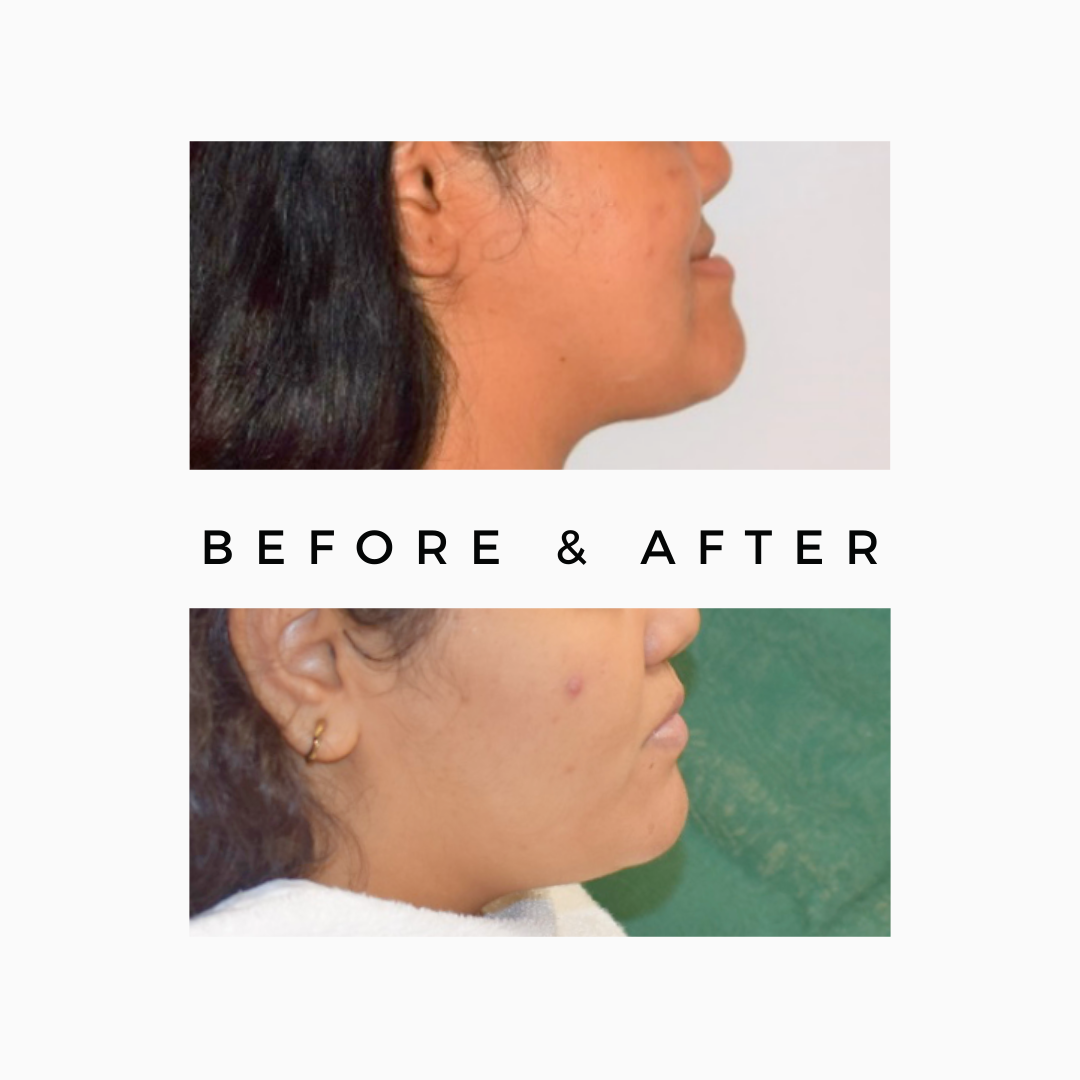
Orthognathic Surgery for Severe Forward Lower Jaw

A female patient reported with a severely forwardly placed lower jaw, reverse bite, facial imbalance, and difficulty in chewing due to skeletal jaw discrepancy. After detailed clinical evaluation, facial profile assessment, bite analysis, and orthognathic planning, corrective jaw surgery was advised to reposition the jaws and improve both function and facial harmony. The treatment involved Le Fort I osteotomy and Bilateral Sagittal Split Osteotomy (BSSO) with fixation using plates and screws. The objective was to correct the forward lower jaw appearance, improve bite relationship, enhance chewing efficiency, and create a more balanced facial profile.

    jaw surgery,orthognathic surgery,Jaw Surgery Specialist Mumbai,Orthognathic Surgery Kandivali,Corrective Jaw Surgery Mumbai,Underbite surgery Mumbai,Overbite jaw correction Kandivali,jaw alignment surgery

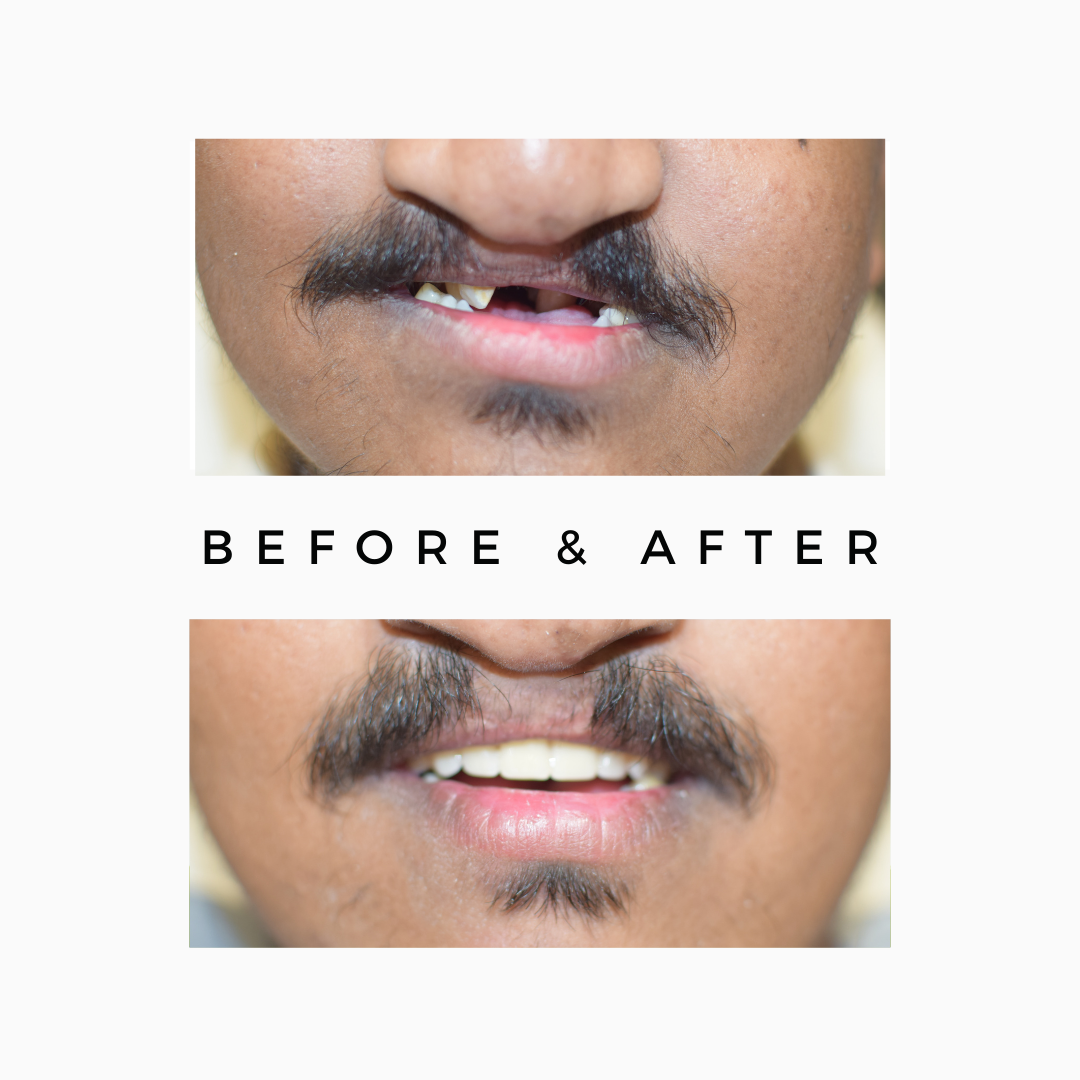
    Cleft Case with Upper Denture Rehabilitation

    A patient with a history of cleft-related upper jaw deformity reported with difficulty in chewing, compromised smile aesthetics, and lack of stable upper teeth support. On evaluation, the case required a prosthetic rehabilitation approach that could improve function, facial support, speech, and appearance while respecting the existing jaw anatomy. A customised upper denture/prosthetic rehabilitation was planned to restore the missing upper teeth and improve oral function. The treatment focused on giving the patient better chewing ability, improved lip and facial support, enhanced smile confidence, and a more comfortable day-to-day experience.

    Process of Orthognathic Surgery

    Orthognathic surgery and aligner treatment follow three key phases: pre-surgical, surgical, and post-surgical.

    1. Pre-Surgical Phase: Patients wear braces or aligners to gradually align their teeth in preparation for surgery. Regular dental visits ensure progress and necessary adjustments.
    2. Surgical Phase: Performed under general anesthesia, the surgeon makes precise cuts in the jawbones, repositions them, and secures them with plates, screws, or wires. The procedure can take several hours, depending on complexity.
    3. Post-Surgical Phase: Recovery involves swelling, discomfort, and limited jaw movement. Orthodontists provide new aligners or braces to maintain alignment and refine positioning.

    Recovery Process After Orthognathic Surgery

    Recovery varies by individual, but the initial phase lasts about six weeks. Patients may experience swelling, bruising, and discomfort, managed with prescribed pain medication.

    1. A soft or liquid diet is recommended to avoid strain on the jaw.
    2. Oral hygiene is crucial to prevent infection, following the surgeon’s care instructions.
    3. Physical activity should be limited to avoid impact on the jaw. Gradual return to normal routines is advised as healing progresses.

    With proper care and adherence to post-operative guidelines, patients can achieve a fully functional and aesthetically improved jaw alignment.

    Risk and Complications

    While orthognathic surgery is generally safe, potential risks include:

    • Infection or bleeding
    • Temporary or permanent numbness due to nerve sensitivity
    • Relapse of jaw positioning or bite alignment issues

    With advanced surgical techniques and precise pre-operative planning, these risks are minimized. Patients are encouraged to discuss concerns with their surgical team and diligently follow post-op care for the best results.

    Recommended Books On Dentistry

    Don’t Worry, We have Got You Covered! Service-free Warranty

    Every person who takes treatment is different. For some a dental treatment may be 100% effective and for some it may be less effective. Therefore there cannot be any implied or express warranty for the treatment. However; based upon the experience of Dentists all over the world, some facts and figures can be assembled and an inference can be drawn as to what one must a patient expect from the treatment in most of the cases.

    Know More

    Orthognathic Jaw Surgery in Mumbai


    The main purpose of braces in Orthognathic Jaw Surgery is to achieve a stable bite, essential for jaw repositioning and long-term dental health. The process involves decompensating the teeth to align them correctly within each jaw independently. Although this may temporarily worsen the bite, it ensures the jaws are positioned properly during surgery. Once the surgery is complete, the jaws are stabilized using plates and screws, while the braces hold the teeth in their new position.

    Post-surgery, the focus shifts to refining the teeth alignment, with patients continuing to wear braces for several months or up to a year. Regular follow-up visits to the orthodontist are necessary to adjust the braces and ensure optimal results.

    For those seeking an alternative to traditional braces, aligners offer a more discreet solution. Custom-made and clear, these removable trays gradually move teeth and can be taken out for eating, brushing, and flossing. However, aligners are not suitable for addressing significant jaw discrepancies, which is where Orthognathic Jaw Surgery plays a crucial role, particularly in enhancing facial symmetry as part of cosmetic treatment.

    Dr. Chirag Chamria is an Oral and Maxillofacial Surgeon known for his expertise in complex dental procedures, including zygomatic implants, orthognathic surgery, smile makeovers, and oral cancer treatment. With over 10 years of experience, he has redefined patient care by offering innovative one-day dental treatments, eliminating the need for multiple visits and long recovery times.

    Orthognathic Jaw Surgery in Mumbai – Professional Medical Overview

    Orthognathic surgery, also known as corrective jaw surgery, is a specialized maxillofacial procedure designed to correct skeletal discrepancies of the jaws that cannot be resolved by orthodontic treatment alone. As a professionally trained Oral and Maxillofacial Surgeon, Dr. Chirag Chamria provides advanced evaluation, diagnosis, and surgical correction of dentofacial deformities through evidence-based protocols and digital surgical planning. His clinical approach emphasizes functional restoration, airway enhancement, facial symmetry, and long-term occlusal stability.

    Clinical Background

    Dentofacial deformities arise from abnormalities in jaw growth, genetics, trauma, environmental factors, or developmental conditions. When left untreated, these deformities can lead to:

    1. Malocclusion (Class II or Class III)
    2. Facial asymmetry
    3. Airway obstruction
    4. Sleep-disordered breathing
    5. TMJ dysfunction
    6. Chewing inefficiency
    7. Speech difficulties
    8. Aesthetic disharmony

    Orthognathic surgery repositions the maxilla, mandible, or both jaws to achieve structural and functional balance.

    Types of Skeletal Discrepancies

    1. Maxillary deficiency or excess  
    2. Mandibular prognathism (Class III)  
    3. Mandibular retrognathism (Class II)  
    4. Vertical maxillary excess (gummy smile)  
    5. Facial asymmetry due to unilateral growth discrepancies  
    6. Open bite deformity  
    7. Deep bite associated with vertical dysregulation  
    8. Long-face or short-face syndrome  

    Diagnostic Workflow

    Accurate diagnosis involves a comprehensive evaluation, including:

    1. Clinical examination of occlusion, midlines, and function  
    2. 3D CBCT for skeletal and airway mapping  
    3. Lateral cephalometric analysis  
    4. Facial profile and soft-tissue assessment  
    5. Dental model analysis or digital intraoral scanning  
    6. TMJ assessment for functional contribution  
    7. Photographic documentation for simulation and planning  

    Digital planning is central to contemporary orthognathic procedures. Dr. Chamria uses VSP to:

    –      Simulate osteotomy movements  

    –      Predict soft-tissue response  

    –      Create 3D printed splints  

    –      Optimize occlusal and airway outcomes  

    –      Minimize surgical variability  

    Surgical Procedures

    Orthognathic surgery may involve one or both jaws, depending on the clinical diagnosis.

    1. Maxillary Osteotomy: Used to reposition the upper jaw in cases of maxillary deficiency, excess, canting, or vertical height discrepancies. 
    2. Bilateral Sagittal Split Osteotomy– Corrects mandibular retrognathism or prognathism. Allows controlled repositioning of the lower jaw with rigid fixation.
    3. Genioplasty (Chin Surgery)- Performed for refinement of facial profile, vertical height, or midline correction.
    4. Bimaxillary Surgery- Involves both jaws and is indicated in complex discrepancies requiring simultaneous correction of sagittal, vertical, and transverse dimensions.

    Airway Enhancement Benefits

    Orthognathic surgery has significant benefits for airway dimensions and breathing mechanics. Maxillomandibular advancement (MMA) is an established treatment modality for:

    1. Obstructive sleep apnea  
    2. Chronic snoring  
    3. Airway collapse due to posterior positioning of jaws  

    Airway expansion improves oxygen saturation, sleep quality, and overall systemic health.

    TMJ Considerations by Specialist

    Jaw discrepancies often place abnormal forces on the temporomandibular joint. Orthognathic surgery can:

    1. Reduce TMJ loading  
    2. Improve disc-condyle alignment  
    3. Restore muscular balance  
    4. Alleviate long-standing pain or dysfunction  

    Preoperative TMJ evaluation ensures a safer, predictable outcome.

    Many patients consider orthognathic jaw surgery not only for functional improvements—such as enhancing bite alignment and chewing efficiency—but also for cosmetic treatment to achieve a more balanced facial appearance. Misaligned jaws can lead to aesthetic concerns, including asymmetrical facial features, a protruding jaw, or a receding chin. By properly aligning the teeth and jaws, orthognathic surgery can dramatically improve facial profiles and boost self-confidence.

    Intraoperative Protocol

    Surgery is performed under general anesthesia following standardized protocols:

    1. Precise osteotomy cuts based on virtual planning  
    2. Mobilization of jaw segments  
    3. Repositioning guided by splints  
    4. Rigid internal fixation using titanium plates  
    5. Assessment of midlines, occlusion, and symmetry  
    6. Closure with resorbable sutures  

    Procedures typically last 2–4 hours depending on complexity.

    Postoperative Care & Recovery

    Recovery includes:

    1. Cold compresses for the first 48 hours  
    2. Liquid or soft diet for 2–4 weeks  
    3. Guided physiotherapy for jaw mobility  
    4. Occlusal monitoring  
    5. Periodic radiographic follow-up  

    Most patients return to routine activities within 2–3 weeks.

    Potential Complications & Management

    Although success rates are high, potential complications include:

    1. Paresthesia of the inferior alveolar nerve  
    2. Minor occlusal discrepancies requiring postoperative orthodontics  
    3. Relapse in severe skeletal cases  
    4. Nasal congestion following maxillary surgery  
    5. Infection (rare with proper care)  

    Early intervention and structured follow-up minimize long-term risks.

    Integration with Orthodontics

    Orthognathic surgery is typically part of combined orthodontic treatment. Phases include:

    1. Pre-surgical orthodontics for alignment  
    2. Surgical correction of jaws  
    3. Post-surgical orthodontics for fine-tuning  

    This collaborative approach ensures stable, functional occlusion.

    Indications for Orthognathic Surgery

    1. Skeletal Class II and Class III deformities  
    2. Significant facial asymmetry  
    3. Severe open bite or deep bite  
    4. Compromised mastication  
    5. Aesthetic dissatisfaction due to jaw imbalance  
    6. Airway obstruction or sleep apnea  
    7. TMJ dysfunction secondary to structural disharmony  

    Professional Summary

    Orthognathic jaw surgery performed by Dr. Chirag Chamria follows globally accepted standards for diagnosis, digital planning, and surgical execution. Through precision-driven surgical techniques and interdisciplinary collaboration, patients achieve improved function, airway health, facial aesthetics, and long-term skeletal stability. His professional approach ensures reliable outcomes and enhanced quality of life for individuals with complex dentofacial deformities.

    The success of orthognathic jaw surgery depends on a well-coordinated approach between the orthodontist and oral surgeon. Orthodontists play a critical role in preparing the teeth for surgery, ensuring they are in the optimal position for precise surgical intervention. Oral surgeons then reposition the jaws with accuracy, relying on this pre-surgical alignment for the best functional and aesthetic outcomes. Post-surgery, orthodontists refine the final tooth positioning to ensure long-term stability and success.

    This seamless collaboration between orthodontists and oral surgeons is essential for achieving optimal facial harmony, functional bite correction, and enhanced aesthetics. Whether for medical necessity or cosmetic enhancement, a well-planned orthognathic surgery can be life-changing for patients.

    FAQs | Orthognathic Surgery

    What is oral and maxillofacial surgery?
    Oral and maxillofacial surgery is a specialized field of dentistry that focuses on diagnosing and treating conditions related to the mouth, jaw, face, and neck. This includes procedures like tooth extractions, dental implants, corrective jaw surgery, and facial trauma treatment.
    What types of procedures do you perform?
    1. Dental Implants
    2. Teeth Straightening
    3. Wisdom Teeth Extraction
    4. Corrective Jaw Surgery
    5. Jaw pain
    6. Cancer Rehabilitation
    7. Mouth Disorders
    What is orthognathic surgery?

    Orthognathic surgery is corrective jaw surgery to improve facial appearance and dental function.

    I've had dentures for several years and have lost a lot of bone. What to do?

    Yes, it’s very likely that your dental issues can be solved, and it’s best to talk to a dentist as soon as possible. Before the surgery, a detailed 3D scan of your jaw bones can be done to simulate the implant surgery. This will help us figure out the best way to solve the problem before the actual surgery. It’s important to find the right solution for your specific case.

    Who needs orthognathic surgery?

    Individuals with jaw alignment, bite issues, or facial asymmetry may benefit from it.

    How long is the recovery period?

    Initial recovery takes 2–6 weeks; full recovery may take several months.

    Is orthognathic surgery painful?

    Pain is managed with medication; most discomfort occurs during the first few days.

    Are the procedures painful?

    No, with anesthesia and minimally invasive treatments now, the treatmenets are almost not painless.

    Can orthognathic surgery improve appearance?

    Yes, it can enhance facial aesthetics by correcting jaw alignment.

    What cosmetic dental treatments can be combined with surgery?

    Treatments like dental implants, veneers, and smile makeovers can complement orthognathic surgery.

    Can you eat after a dental treatment?

    Yes, you can eat after a dental treatment, but it’s essential to avoid chewing on sticky food with SAPTeeth dental crown. Initially, stick to soft foods that won’t put pressure on the tooth, such as yogurt, soup, or mashed potatoes. As you recover, you can gradually introduce more solid foods back into your diet.

    How do I prepare for my surgery?
    Preparation depends on the specific procedure. Generally, you may be advised to avoid c
    Can I travel for treatment?
    Yes, we welcome international patients and offer dental tourism services. We provide assistance with travel arrangements, accommodations, and comprehensive treatment plans to ensure a smooth experience.
    How can I schedule a consultation?
    You can schedule a consultation by calling our clinic or filling out the appointment form on our website. Our oral and maxillofacial surgeon in Mumbai is here to answer any questions and guide you through the process.
    How do I prepare for orthognathic surgery?
    Follow your surgeon’s instructions, avoid smoking, and maintain good oral hygiene.
    Is orthognathic surgery covered by insurance?
    It depends on your insurance policy; some plans cover functional corrections but not cosmetic procedures.
    Can I eat normally after orthognathic surgery?
    A soft diet is recommended for several weeks; gradual transition to normal foods is advised.