
Teeth After Oral Cancer Surgery | Rehabilitation & Prosthesis in Mumbai
Restore chewing, speech, comfort and confidence after cancer surgery or radiotherapy. Planning is coordinated with your cancer surgeon.
Looking for oral cancer treatment in Mumbai? Our Oral & Maxillofacial Surgery team provides advanced diagnosis, cancer surgery support, and dental rehabilitation for oral cancer patients. Using CAJTeeth protocols, we restore teeth to cancer-affected jaws during the cancer removal surgery itself. Dr Chirag Chamria leads our cancer rehabilitation program to deliver safe, predictable, long-term results. If you notice persistent mouth ulcers, difficulty swallowing, or unusual oral growths, consult us today for a personalized evaluation.

Who needs Oral Cancer Rehabilitation?
1
Teeth missing after oral cancer surgery
2
Jaw removed or reconstructed (mandibulectomy/ maxillectomy/ fibula flap)
3
Difficulty chewing, speech changes, facial support loss
4
Dry mouth, decay, sensitivity after radiotherapy
5
Need prosthesis planning before or after surgery
Rehabilitation with CAJTeeth Rehabilitation
Obturator Prosthesis – Removable denture which helps close defects and improve speech and other functions.
Fixed Teeth With Zirconia Dental Implants- Based on bone, reconstruction type, and radiation history, now you can get fixed teeth with dental implants even in virtually no bone conditions.
Post-Radiotherapy Dental Care – Prevention and management of radiation-related tooth
Outcomes We Aim For
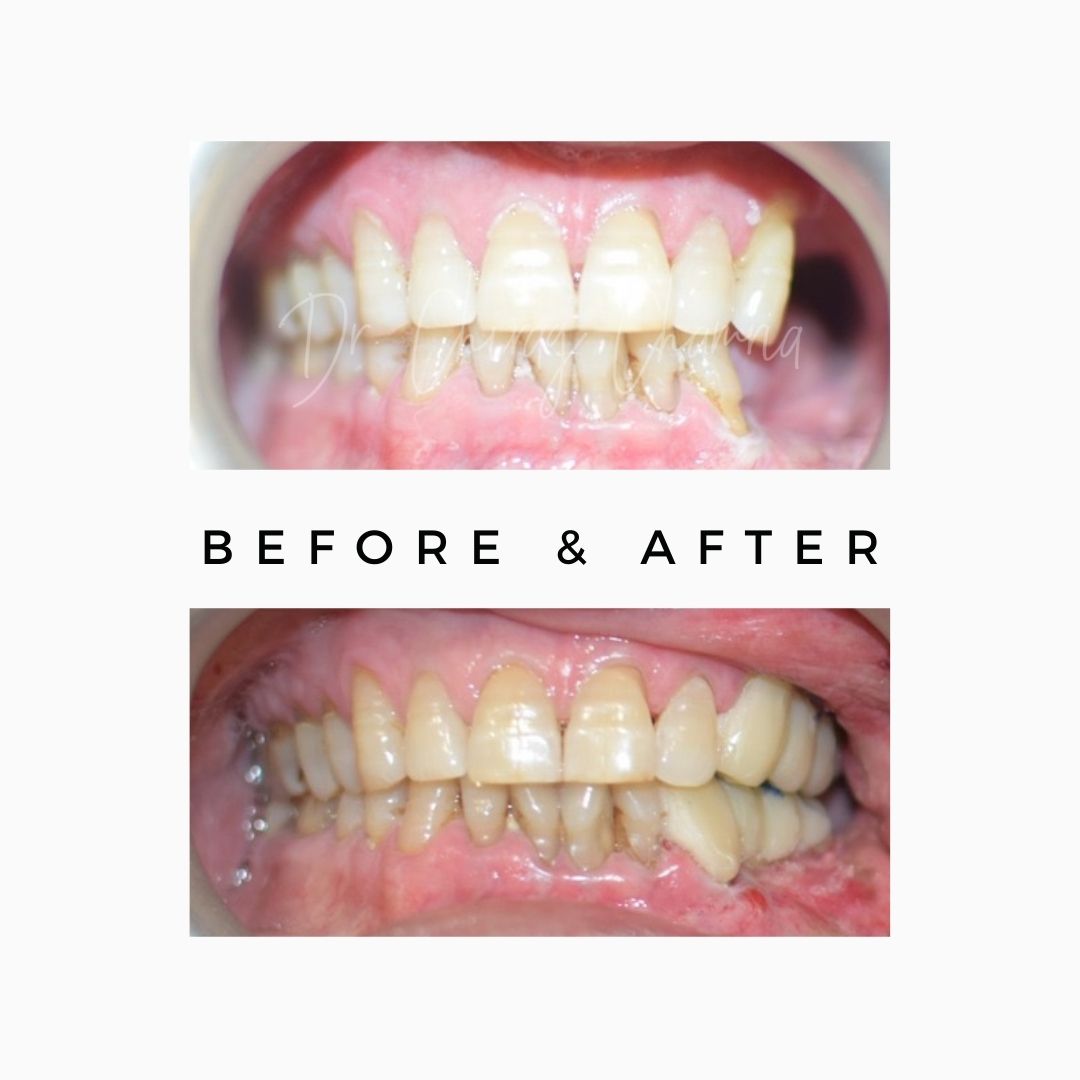
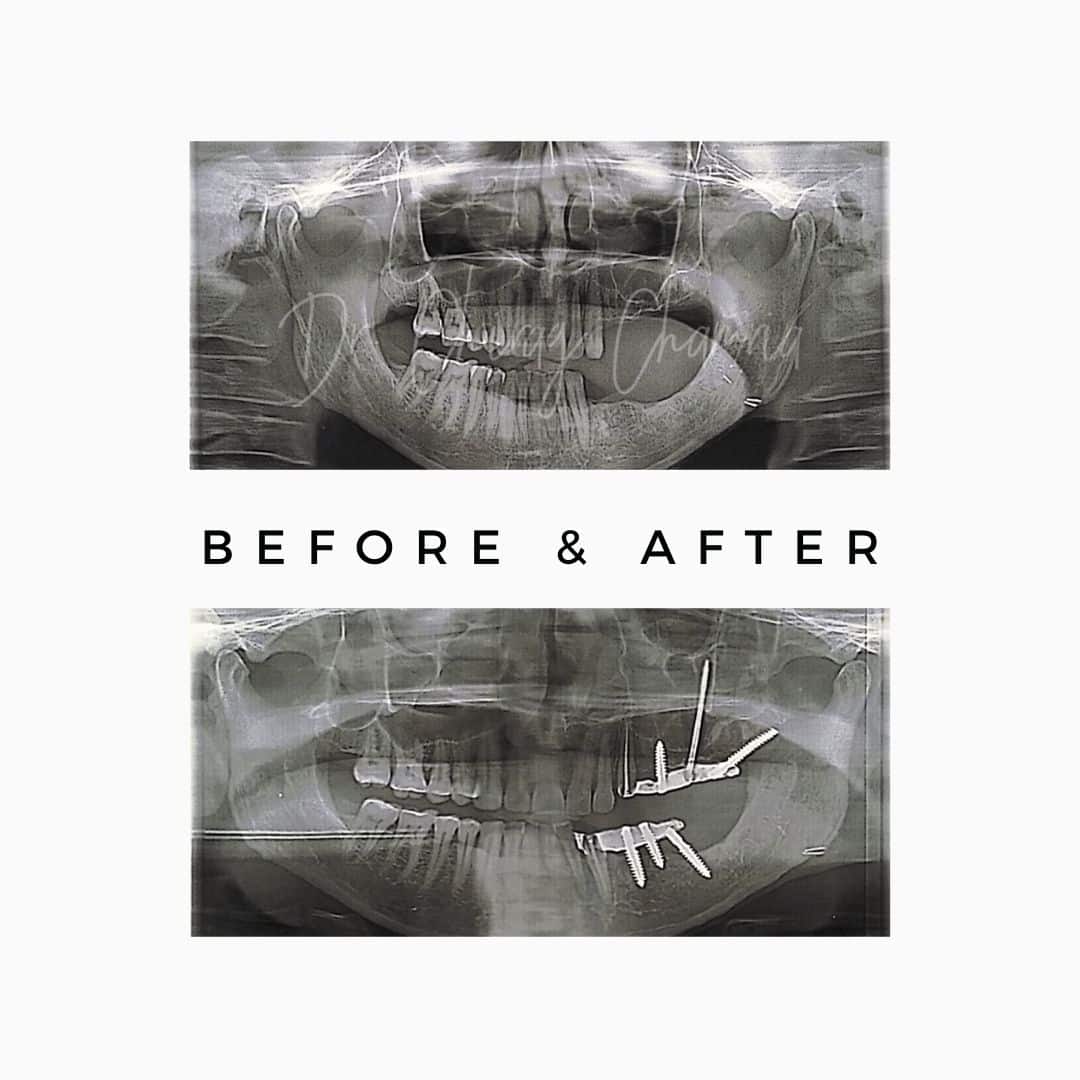
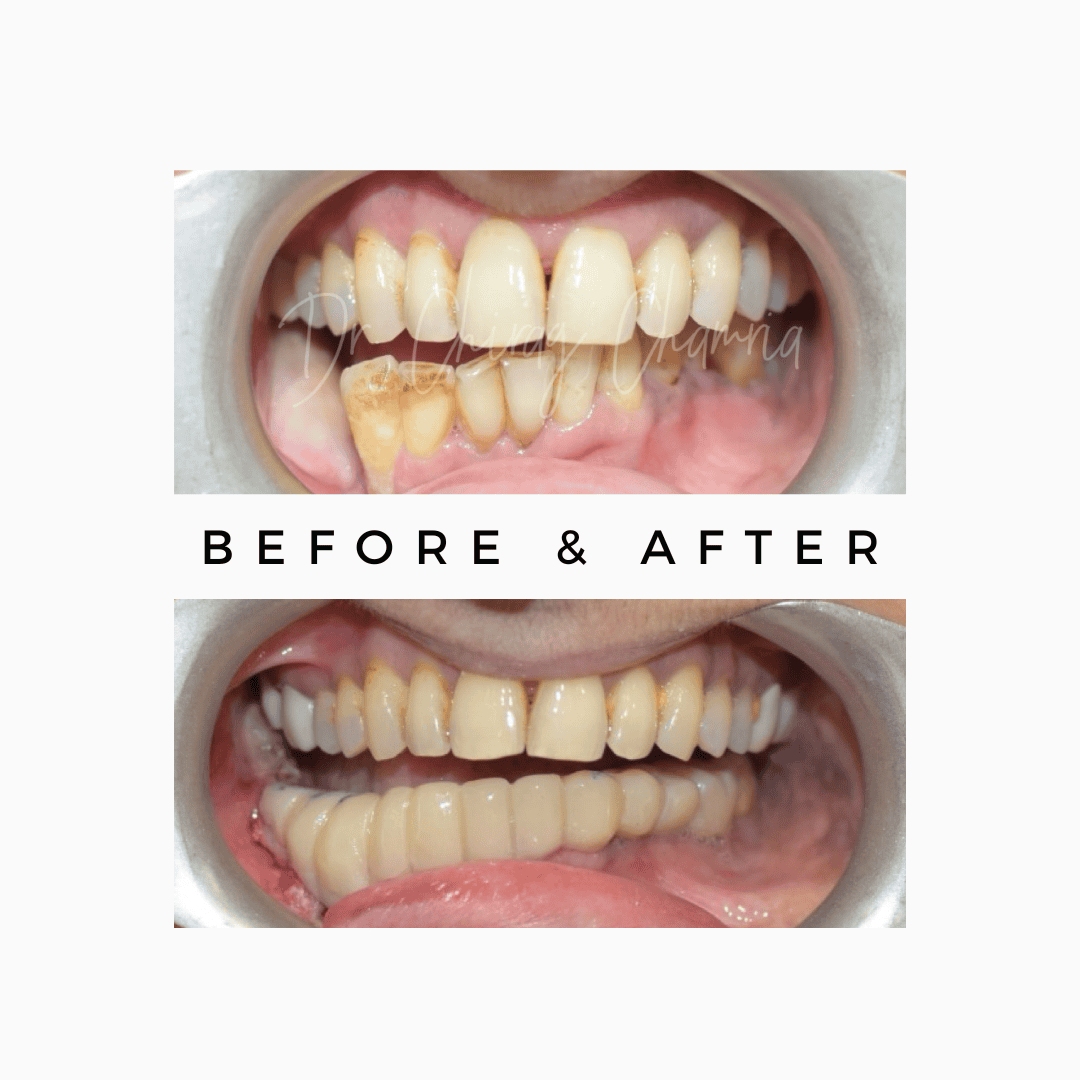
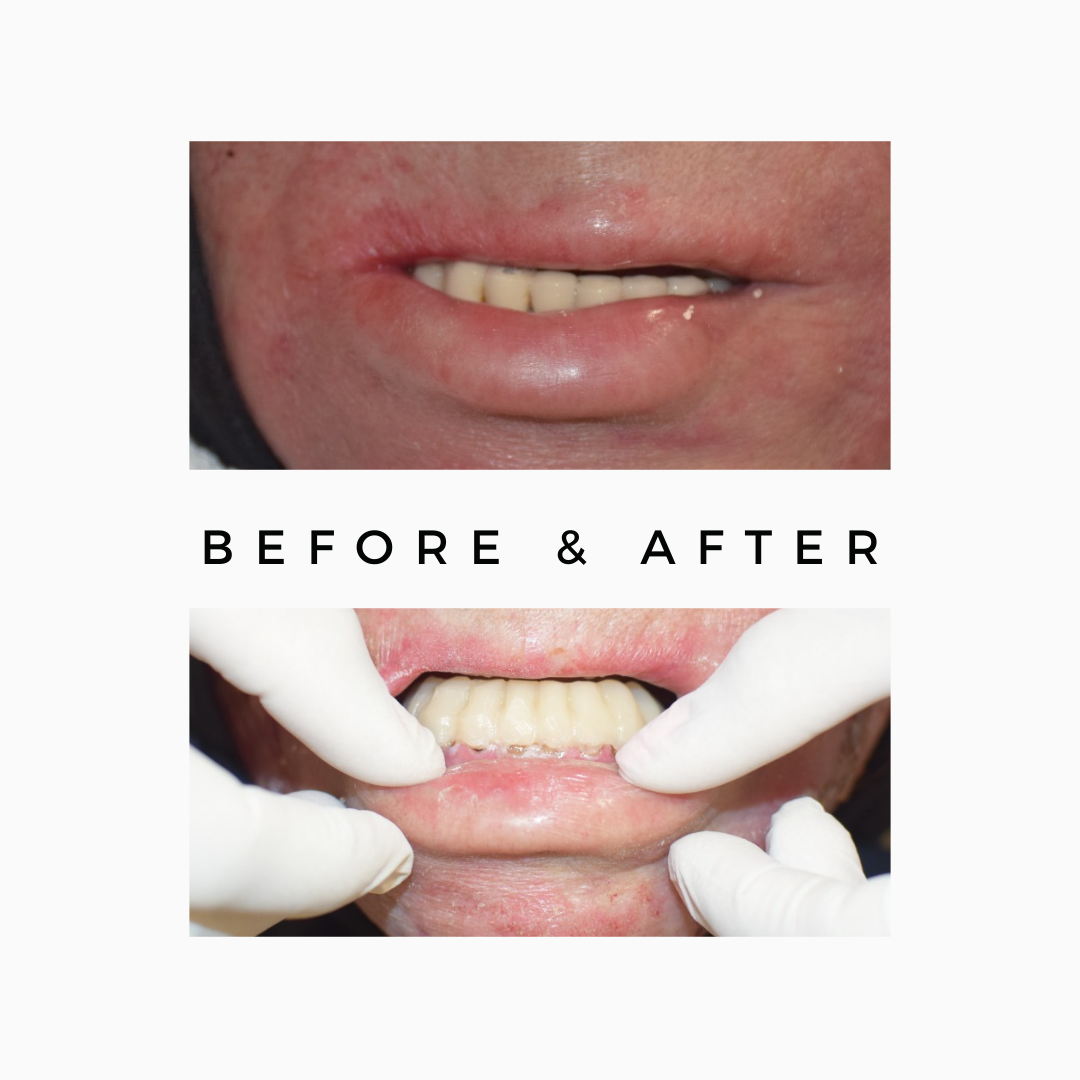
Outcomes We Aim For
Step 1
Review reports (biopsy or surgical notes if available)
Step 2
Examine oral tissues and teeth.
Step 3
Plan rehab pathway with scan if required (CBCT, CT, MRI based on case).
Step 4
Discuss options, timelines, and approximate cost range.
Step 5
Coordinate plan with your surgeon when needed.
Early detection of oral cancer is crucial for successful oral cancer treatment and timely cancer surgery.
- Persistent mouth sores or ulcers that do not heal.
- Lumps or thickening in the cheek.
- White or red patches on the gums, tongue, tonsils, or mouth lining.
- Difficulty chewing, swallowing, or moving the jaw or tongue.
- Numbness in the tongue or other areas of the mouth.
- Swelling in the jaw affecting denture fit or causing discomfort.

Oral Cancer Staging and Rehabilitation Options
Understanding the Stage
Stage 1: Small, localized oral cancer confined to one area, with no neck lymph nodes involved.
Stage 2: Larger and/or deeper oral cancer but still confined locally, with no neck lymph nodes involved.
Stage 3: Oral cancer that is large/deep and/or has spread to nearby neck lymph node(s), but no distant spread.
Stage 4: Advanced oral cancer that has invaded nearby structures and/or extensive neck nodes, or has spread to distant organs.
Surgical Treatment Options for Oral Cancer
1) Tumour Resection – Removing the tumour along with some surrounding healthy tissue.
2) Neck Dissection – Removing lymph nodes in the neck if cancer has spread.
3) Reconstructive Surgery – Restoring the function and aesthetics of the mouth and jaw using grafts or prosthetic devices.
☤ Dr Chirag Chamria Speaks on CAJTeeth
☤ Dr Chirag Chamria Accolades

Metal-free Post-surgery dental implants
Ask your surgeon for metal free implants. Metal Free Dental Implants are made from Zirconia which is a ceramic material with biocompatibility and aesthetic advantages – making it a great alternative to traditional titanium implants. Conceived and designed over 20 years ago by a board-certified Manhattan Dentist, Victor I. Sendax, DDS. Dr Sendex originally created the unique design of this unique dental product as a transitional device to help support fixed bridge replacements for lost teeth. His novel theory was that mini implants could function free standing by themselves or in combination with natural tooth supports and/or larger conventional type implants. This was a revolutionary concept in dental science.
Consult an Oral Surgeon for Cancer Treatment Surgery at Rs 1500
Oral cancer refers to malignant growths that develop in the mouth, lips, tongue, cheeks, palate, sinuses, and throat. If left untreated, it can be life-threatening. Early detection plays a crucial role in the success of oral cancer treatment. Regular dental check-ups can help identify early warning signs, improving the chances of effective cancer surgery and recovery. If you experience persistent symptoms like mouth sores, difficulty swallowing, or unusual growths, consult a specialist immediately.
Dangers of Oral Cancer in India :-
- Tobacco and Alcohol Use: Over 90% of oral cancer cases are linked to smoking, alcohol, or tobacco.
- Family History: A personal or family history of mouth or throat cancer increases susceptibility.
- Poor Diet: A diet low in fruits and vegetables can heighten oral cancer risk due to vitamin and mineral deficiencies.
- HPV Infection: Human papillomavirus can cause cellular changes in the mouth and throat, increasing the risk of cancer.
- Genetic Predisposition: Research indicates a slight increase in risk if a close relative has been diagnosed with oral cancer.
- Precancerous Lesions: Red or white patches in the mouth lining may indicate pre-cancerous changes, requiring immediate attention.
Early diagnosis and timely oral cancer treatment through cancer surgery, radiation therapy, or chemotherapy can significantly improve survival rates. If you notice any symptoms, seek professional medical advice for an early intervention plan.
Oral Cancer Treatment in Mumbai | Cancer Rehabilitation Dentist Kandivali

Oral Cancer Treatment in Mumbai | Expert Dental Care
Oral cancer can be caused by tobacco (chewed or smoked), harmful chemicals in cigarettes, chronic irritation, poor habits, and lifestyle factors. Recognizing early symptoms—such as persistent soreness, difficulty chewing, changes in oral movement, altered taste, or swelling—can make treatment significantly more successful.
For patients with jaw or facial defects after tumour surgery or trauma, reconstructive surgery is often complemented by craniofacial prostheses that restore the nose, eye, ear, or soft tissue. These prostheses blend with natural skin and dramatically improve quality of life.
Rehabilitation after oral cancer focuses on:
- Restoring facial aesthetics and natural contour
- Rebuilding lip support and clarity of speech
- Regaining comfortable swallowing
- Providing strong, stable teeth for chewing
- Enabling social confidence and function
Recommended Books on Dentistry



Thirty percent of total cancers in India are from the Head and Neck region compared to 5% in the western world. Tobacco, betel nut and ‘paan’ chewing, and smoking and alcohol abuse are the reasons for the increased number of oral cancers in the Indian subcontinent. Our aim at Royal Cosmognathic is to not to Fight Cancer. Aim is to Reconstruct what lost.
– Dr. Chirag Chamria, Oral Surgeon
Get Fixed Teeth in Just One Day with Dental Implants
Replace missing teeth with fixed teeth without stitches. They are comfortable and function almost like natural teeth. It’s now possible to get dental implant in weak bone condition with or without grafts.
In Virtually less bone, Get Dental Implants
In less or no bone, it is now possible to place implants in Zygoma arch in single day and load it immediately with teeth.
Oral Cancer Rehabilitation
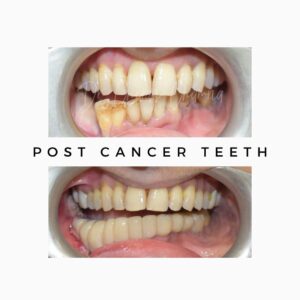
After undergoing oral cancer surgery, many patients suffer from missing teeth, a changed jaw structure, and trouble talking or chewing. Dr. Chirag Chamria offers a specific rehabilitation plan that uses dental implants made of non-metal and modern CAJTeeth™ dental prosthetics that improve appearance and function. Implants that are biocompatible and non-metal are the ideal choice for jaws with cancer, which reduce irritation and provide an ideal foundation for teeth that look natural. With custom-designed planning and jaw reconstruction if needed, patients can restore confidence in their oral function using dental implants specifically designed to meet the needs of patients who have post-cancer treatment.
“We had a very satisfying experience here. We found Dr. Chirag Chamria to be a thorough professional with attention to detail. Ours was a very complicated dental case, (post-cancer treatment), and he handled it with confidence and assurance. With our overseas experience, we found this clinic to be matching the best of international standards….“
Know More
Oral Cancer Treatment & Rehabilitation in Mumbai – Simple Medical Overview
Oral cancer can affect chewing, speaking, smiling and even everyday comfort with food. After cancer surgery, patients often not only need removal of the disease but also help with reconstruction and getting teeth after cancer so that life feels normal again.
At Royal Dental Clinics, Mumbai, Dr. Chirag Chamria — Oral & Maxillofacial Surgeon — provides both surgical care and long-term rehabilitation, making it easier for patients to return to regular eating, speaking and confidence.
What Areas of the Mouth Can Be Affected?
Oral cancer can appear in different parts of the mouth, including:
- Tongue
- Floor of mouth
- Cheek area (buccal mucosa)
- Gums
- Hard palate
- Jawbone area / retromolar region
Symptoms may include non-healing ulcers, pain, bleeding, difficulty swallowing, jaw stiffness, or swelling in the neck. If you notice any of these, you should consult an oral surgeon near me as early as possible.
How Diagnosis Is Done
To understand the exact problem, the oral surgeon may advise:
- Clinical examination
- Biopsy
- CT / MRI / Ultrasound
- Scans of the neck if needed
This helps decide the safest and most effective treatment plan.
Cancer Surgery & Reconstruction
Cancer is removed through surgery, and depending on the size and location of the tumor, structures like the tongue, jawbone or palate may need to be repaired. Reconstruction may include:
- Small repairs using nearby tissue
- Flaps from other parts of the body
- Obturators to close openings in the palate
The goal is to restore appearance, eating ability, and speech.
Teeth After Cancer – Implant Rehabilitation
After oral cancer surgery, many patients cannot use regular dentures because of missing bone or changes in the mouth.
Dr. Chirag Chamria offers advanced graft-free dental implants, including:
- Zygomatic implants (for upper jaw defects)
- Pterygoid implants (for back-of-jaw support)
- Basal implants (for weak or limited bone)
These allow fixed teeth after cancer without long waits or major bone grafts. SAPTeeth™ prosthetics are used for strength, flexibility and long-term comfort.
When Can Dental Implants Be Placed?
This depends on:
- Healing of the surgical site
- Whether radiation was given
- Soft-tissue condition and bone health
Most patients receive implants:
3–6 months after surgery, and
6–12 months after radiation, based on the surgeon’s evaluation.
Taste Changes After Oral Cancer Surgery — What to Expect
Taste may change after surgery — sometimes food tastes metallic, bland, or has no taste at all.
Even though most taste buds are on the tongue, some are also located in the cheeks and palate, which slowly become more active during recovery. Taste usually improves over weeks to months.
Tips for taste recovery:
- Start with soft and mildly seasoned foods
- Stay hydrated
- Include protein-rich foods for healing
- Use herbs instead of excessive salt
- Report weight loss or appetite changes to your doctor
Complete Rehabilitation Support
Recovery is not just about removing cancer — it is about getting life back to normal.
This includes:
- Oral hygiene support
- Nutrition guidance
- Jaw physiotherapy for mouth opening
- Speech improvement support
- Regular follow-up scans
- Implant and prosthesis maintenance
A multidisciplinary approach helps avoid complications like dry mouth, jaw stiffness and bone weakness after radiation.
In Simple Words
Oral cancer treatment is a journey — from surgery to reconstruction to getting back your smile, chewing ability and confidence. With the right care plan, patients can return to a normal, fulfilling lifestyle.
If you are searching for an oral surgeon near me or want clarity about oral cancer reconstruction and teeth after cancer, you can book a consultation with Dr. Chirag Chamria in Mumbai for a complete evaluation and treatment plan.
FAQs | Oral Cancer Treatment
What are the early signs of oral cancer?
Early signs include persistent mouth sores, difficulty swallowing, lumps, white or red patches, and unexplained bleeding.
How is oral cancer diagnosed?
Diagnosis involves a clinical examination, biopsy, and imaging tests like CT scans and MRIs.
Is oral cancer surgery painful?
Surgery is performed under anesthesia, ensuring a painless experience. Post-surgical pain is managed with medication.
What is same-day dental rehabilitation after cancer surgery?
Same-day rehabilitation means that after tumor removal, we restore missing teeth using dental implants or prosthetics immediately, preventing long-term disfigurement and functional issues.
Who is a candidate for zygomatic implants after cancer surgery?
Patients with severe jawbone loss who cannot support traditional implants may benefit from zygomatic implants.
How long does recovery take after oral cancer surgery?
Recovery depends on the complexity of the procedure. Most patients return to normal activities within a few weeks.
Can oral cancer return after surgery?
Regular check-ups and lifestyle modifications significantly reduce the risk of recurrence.
Does oral cancer surgery affect speech and chewing?
Our rehabilitation process includes speech therapy and dental reconstruction to restore natural function.
Are dental implants safe after cancer treatment?
Yes, implants are biocompatible and can be safely placed post-cancer treatment.
How do I schedule an appointment for oral cancer screening?
Call Now: +91 9971290903 or Fill the Consultation Form Book an Appointment
What is oral and maxillofacial surgery?
What types of procedures do you perform?
- Dental Implants
- Teeth Straightening
- Wisdom Teeth Extraction
- Corrective Jaw Surgery
- Jaw pain
- Cancer Rehabilitation
- Mouth Disorders
Is dental implant surgery painful?
When you get dental implants, the surgery is typically done using a local anaesthetic, so you won’t feel any pain during the procedure. This type of surgery is often called “keyhole surgery.” After the surgery, when the numbness wears off, you may feel some mild discomfort, but this can be managed easily with painkillers for a short time.
I've had dentures for several years and have lost a lot of bone. What to do?
Yes, it’s very likely that your dental issues can be solved, and it’s best to talk to a dentist as soon as possible. Before the surgery, a detailed 3D scan of your jaw bones can be done to simulate the implant surgery. This will help us figure out the best way to solve the problem before the actual surgery. It’s important to find the right solution for your specific case.
Can Dental Implants Fallout?
Dental implants are a great option for replacing missing teeth. While it’s rare for them to fail, it can happen if the patient loses bone density around the implant base due to an illness. Poor oral hygiene can also cause an infection at the implant site, which can make the crown of the implant loosen around the gum line. This allows germs to grow and may lead to bone loss. To prevent this, it’s important to maintain proper dental care and visit your dentist regularly.
Factors for long-term success of dental implants?
Dental implants can be a permanent solution for a great smile. However, the quality and amount of bone and good oral hygiene are critical for their long-term success. To ensure long-lasting implants, it is also important to wear a nightguard if you grind your teeth, avoid chewing ice, and be cautious when participating in contact sports.
Do Dental Implants Get Cavities?
Dental implants are made from titanium, which is an artificial material that does not get cavities. However, it is still important to take care of your oral health and clean the area around the implant just like you would with your natural teeth. Regular visits to your nearest dental clinic are also important to prevent infections that can lead to gum disease.
Are the procedures painful?
No, with anesthesia and minimally invasive treatments now, the treatmenets are almost not painless.
How can I find an experienced teeth doctor?
To find a qualified and experienced teeth doctor in your area, you can ask for recommendations from your regular dentist, family, or friends. Additionally, you can search online directories or websites of dental associations that provide a list of accredited teeth doctors and their specialties in your locality. Dr Chirag Chamria in Mumbai practices painless dentistry and in most cases completes treatment in single sitting.
What is the process of getting dental treatments?
The process of getting dental treatments typically involves an initial consultation with the dentist, where the oral health is assessed, treatment options are discussed, and a personalized treatment plan is created. The actual procedure will vary based on the specific dental treatment, but in most cases the treatment is complted in single sitting. If you are travelling from abroad, we recommend a stay of 5-7 days for post treatment bite. adjustments
Can you eat after a dental treatment?
Yes, you can eat after a dental treatment, but it’s essential to avoid chewing on sticky food with SAPTeeth dental crown. Initially, stick to soft foods that won’t put pressure on the tooth, such as yogurt, soup, or mashed potatoes. As you recover, you can gradually introduce more solid foods back into your diet.