
Third Molar Extraction | Wisdom Tooth Removal in Mumbai
Removal of wisdom or third molar teeth is an elective but frightening procedure. Just due to the location of the tooth and involvement of the nerve, the procedure gets complicated and needs an Oral Surgeon to come to the rescue. The procedure is performed on the impacted wisdom tooth so that subsequent pain and the surrounding tooth can be preserved. If not treated, these dental conditions can lead to jaw pain, swelling, gum infections, and damage to adjacent teeth. At Royal Dental Clinics in Mumbai, our experienced Oral and Maxillofacial specialists assure a safe and quick recovery through advanced procedures. If you need immediate wisdom tooth removal or a preventive check-up, our dentists are committed to providing personalized care for your best oral health. Book your appointment today for expert wisdom tooth extraction in Mumbai!
Painless Wisdom Tooth Removal | Oral Surgeon in Mumbai
Consult Oral and Maxillofacial Surgeon in Mumbai at Rs 1500
Get Consultation from International Trained Dentist in Mumbai
Consult an Oral Surgeon for Third Molar Extraction at Rs 1500
Wisdom tooth extraction is a specialized surgical procedure to remove one or more third molars— the last set of adult teeth located at the back of the mouth. When these teeth become impacted, they can lead to severe pain, infection, gum disease, and even damage to nearby teeth or jawbone. Dr. Chirag Chamria, a leading Oral & Maxillofacial Surgeon in Mumbai, specializes in painless, advanced, and minimally invasive wisdom tooth removal using cutting-edge technology.
Many patients opt for preventive extraction of asymptomatic wisdom teeth to avoid future complications, as recommended by dental experts. Early removal in the late teens or early 20s ensures a smoother recovery with minimal risks. If you’re experiencing jaw pain, swelling, or difficulty chewing, book a consultation with Dr. Chirag Chamriafor a safe, comfortable, and expert wisdom tooth removal experience in Mumbai.
When do wisdom teeth come in?
All of your permanent teeth come in by the time you’re 13 years old, except for wisdom teeth. These teeth appear between the ages of 17 and 25.
First signs of wisdom teeth coming in
- Jaw and facial pain or tenderness
- Gum redness or swelling at the back corners of your mouth
- White spots behind your last molars
Visit Dr Chirag Chamria| Third Molar Extraction | Wisdom Tooth Removal
Do wisdom teeth need to be removed ? Expert advice from Dr. Chirag Chamria .
Wisdom teeth, or third molars, often don’t have enough space to emerge properly, leading to impaction, pain, and oral health issues. When trapped in the jawbone or gums, they can cause discomfort, swelling, and infection.
- Impacted Wisdom Teeth: Can cause pain and lead to cysts or infections.
- Crowding & Misalignment: May push other teeth out of position, affecting your bite.
- Cavities & Gum Disease: Hard-to-reach wisdom teeth trap food and bacteria, increasing the risk of decay and gum infections.
Not all wisdom teeth require removal, but if they pose risks, early extraction is often the best option.
Dr. Chirag Chamria, a leading Oral & Maxillofacial Surgeon in Mumbai, specializes in painless, minimally invasive wisdom tooth removal with advanced technology. Experiencing jaw pain, swelling, or difficulty chewing? Schedule a consultation with Dr. Chirag Chamria today for a safe and expert evaluation.
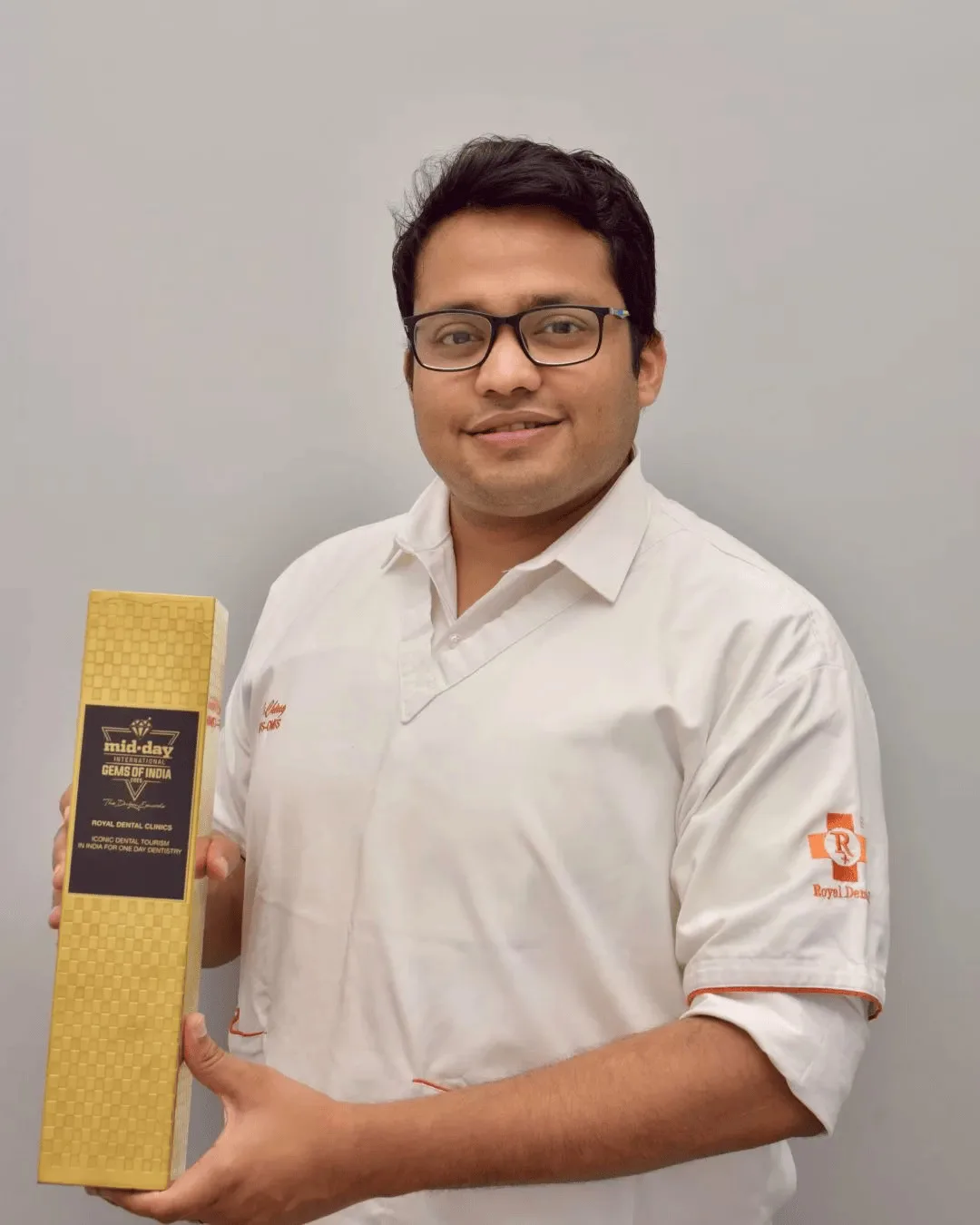
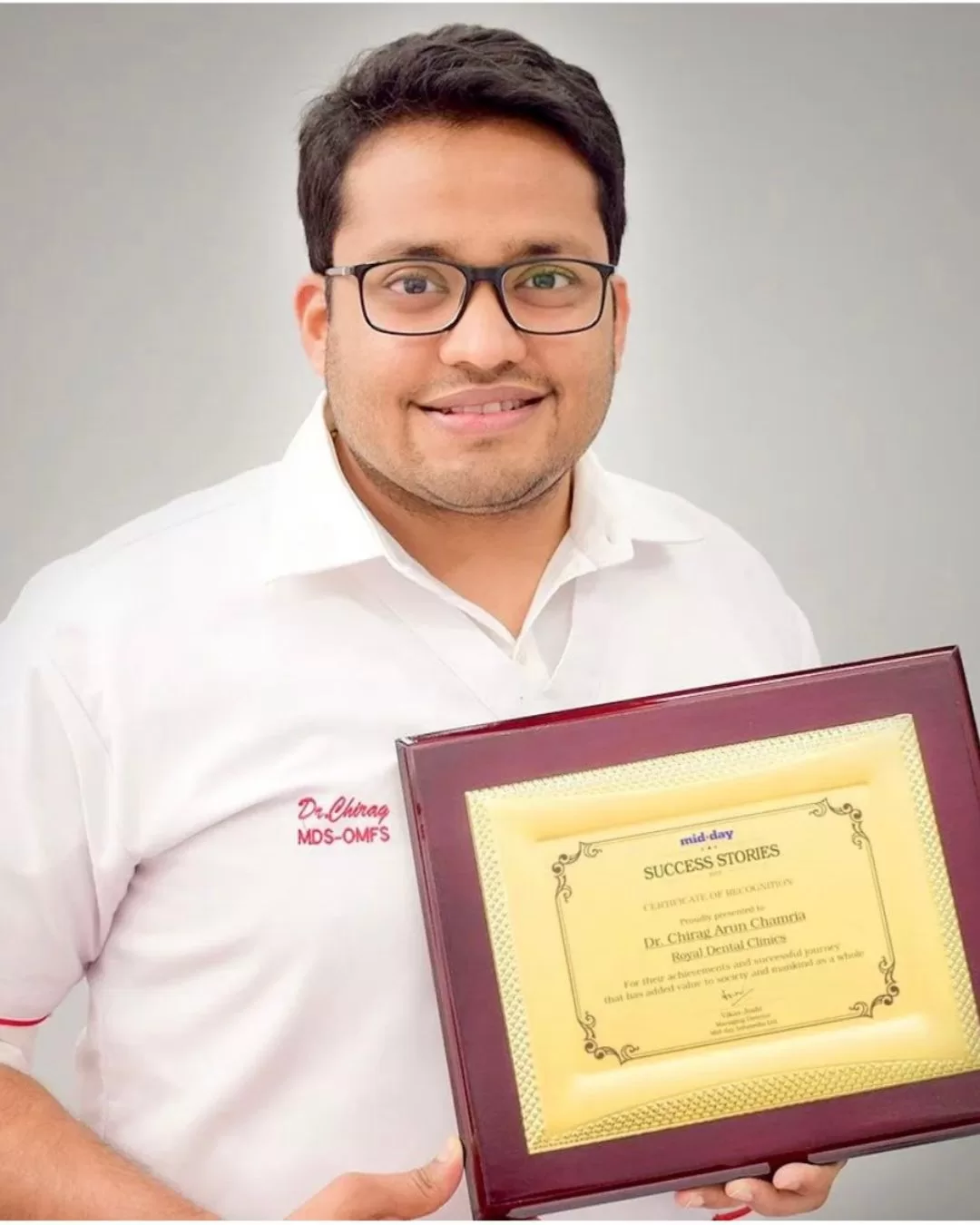
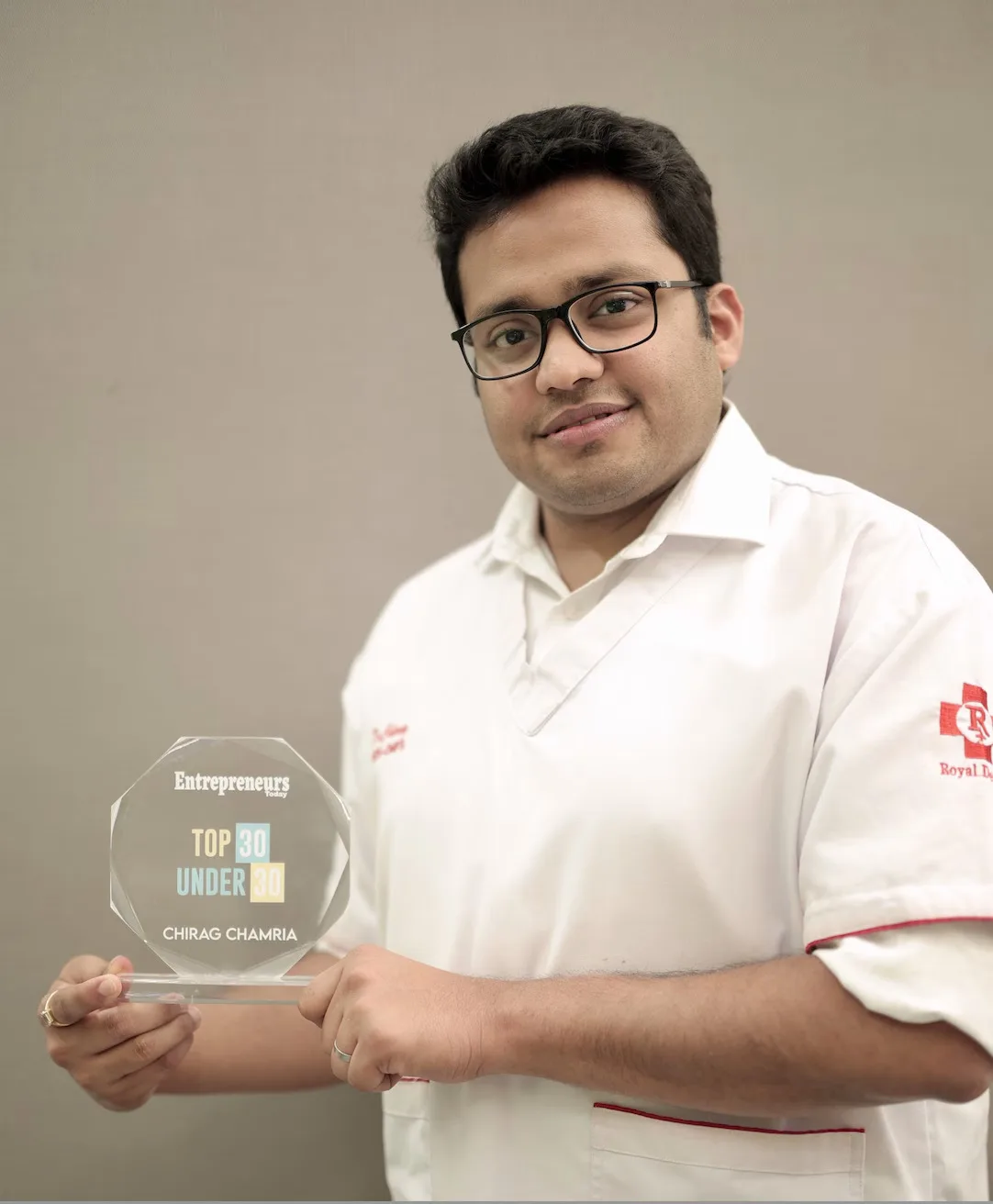
☤ Dr Chirag Chamria Accolades
Dr. Chirag Chamria Consultation (Oral Surgeon in Mumbai)
- Detailed written treatment plan with options
- X-Ray/OPG/CBCT/Intra-oral scan as required
We specialize in providing comprehensive dental treatments, including teeth straightening and beautification, all in a single day. Our team ensures that every patient receives personalized care, tailored to their needs and travel itinerary.
Dr. Chirag Chamria Consultation (Oral Surgeon in Mumbai)
Dry Socket
After extraction, a blood clot forms at the site to aid healing. If this clot dislodges prematurely, the underlying nerve and bone get exposed, leading to a sharp, throbbing pain 2-3 days after surgery. This condition, called dry socket, requires immediate attention. Your oral surgeon will clean the area and place a soothing medicated dressing to promote healing.
Pain and Swelling
Mild pain and swelling are normal post-surgery reactions and usually subside within 2-3 days. Taking prescribed painkillers and anti-inflammatory medication as directed by your dentist can significantly reduce discomfort. Applying cold compresses in the first 24 hours can also help minimize swelling.
Limited Mouth Opening
After a lengthy or complex extraction, jaw stiffness (trismus) can occur, making it difficult to open your mouth fully. This typically resolves within a week. If the stiffness persists, your dentist may recommend heat therapy, pain relievers, muscle relaxants, or jaw-opening exercises.
Excessive Bleeding :-It usually takes 8-12 hours for post-extraction bleeding to stop. If excessive bleeding persists, bite down on a clean gauze pad and apply gentle pressure. Avoid smoking, spitting, or vigorous rinsing, as these can disrupt clot formation. If bleeding continues, consult your dentist immediately.
Lip Numbness :-Wisdom teeth are located close to the inferior alveolar nerve. In rare cases, if the nerve is affected during extraction, patients may experience temporary numbness in the lips, chin, or jaw. This usually resolves within a few days to weeks, but if numbness persists beyond 48 hours, visit your oral surgeon for evaluation.
Royal Dental’s philosophy revolves around serving those who serve society, which is evident in its impactful initiatives aimed at preventing and treating oral diseases. Since its inception in 1983, the clinic has been synonymous with “Dentistry with Real Smiles.” Under Dr. Chamria’s leadership, it has earned international acclaim for innovations like Same-Day Fixed Teeth and the Immediate Loading of Implants, solidifying its reputation as a pioneer in modern dentistry.
Third Molar Surgery Treatment | Oral Surgeon in Mumbai
For many young adults, the arrival of wisdom teeth is a natural milestone. However, impacted or misaligned wisdom teeth can lead to pain, infection, crowding, and dental complications. If your wisdom teeth don’t have enough space to emerge properly, you may need a wisdom tooth extraction.
When Do You Need Wisdom Tooth Removal?
Regular dental check-ups allow your dentist to monitor the growth of your wisdom teeth. Dr. Chirag Chamria, an expert Oral & Maxillofacial Surgeon in Mumbai, recommends removal if you experience:
- Pain or swelling in the back of the mouth
- Trapped food leading to cavities and gum infections
- Wisdom teeth pushing against neighboring teeth, causing misalignment
- Impacted wisdom teeth, leading to cysts or bone damage
- Difficulty maintaining oral hygiene around wisdom teeth
Advanced & Painless Wisdom Tooth Removal
Dr. Chirag Chamria specializes in minimally invasive wisdom tooth extraction using the latest technology, ensuring:
✔ Painless procedure with local, sedation, or general anesthesia
✔ Quick recovery with post-surgical care guidance
✔ Expert precision to prevent nerve damage and complications
What to expect before , during & after the procedure .
Before Extraction: A consultation to determine the best approach for your wisdom tooth removal.
During Surgery: The procedure involves numbing the area, making an incision, and carefully removing the tooth.
Aftercare & Recovery: Follow post-op care instructions to prevent dry socket, swelling, and infection.
Early removal of wisdom teeth can prevent future dental issues. If you’re experiencing discomfort, schedule a consultation with Dr. Chirag Chamria today for the best wisdom tooth treatment in Mumbai.
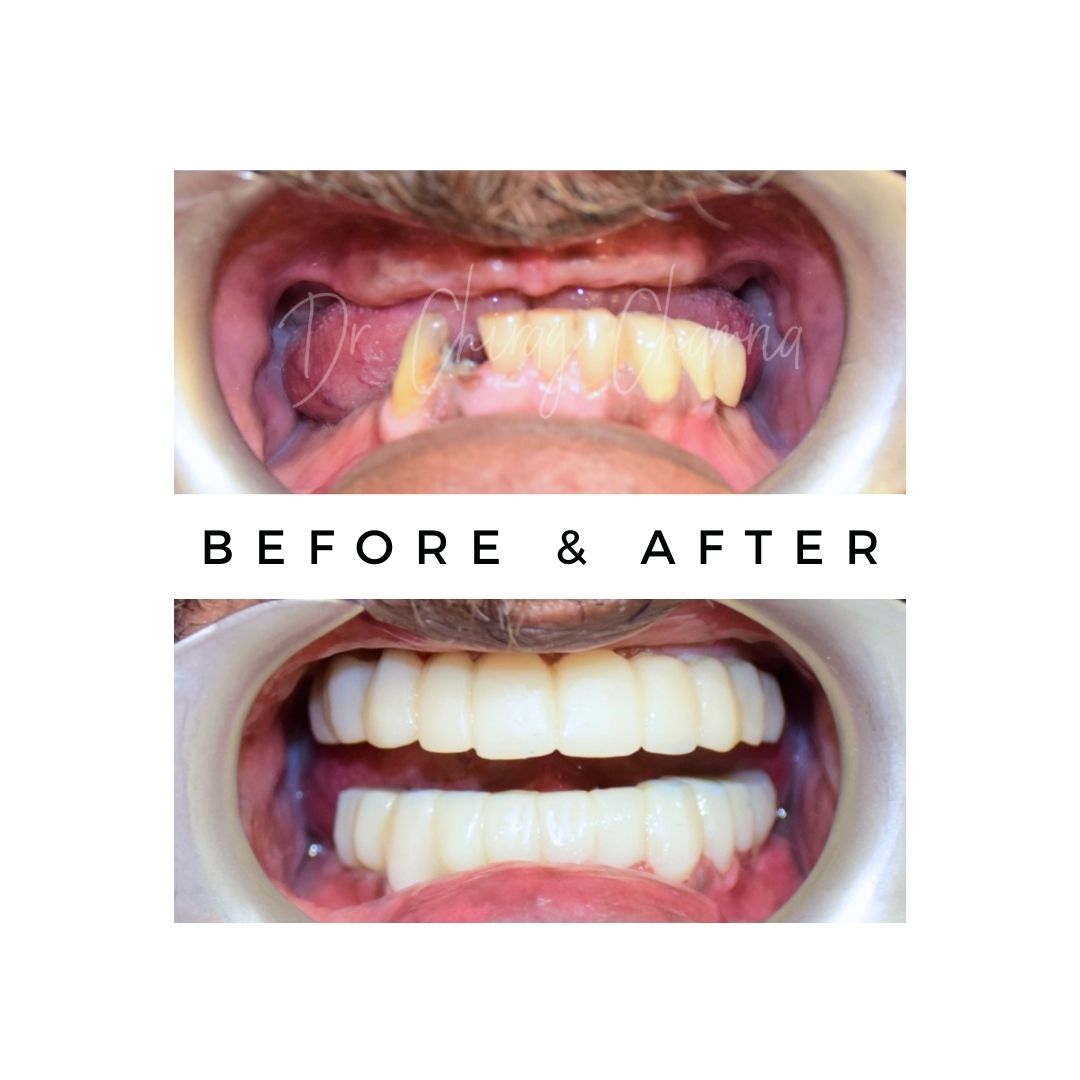
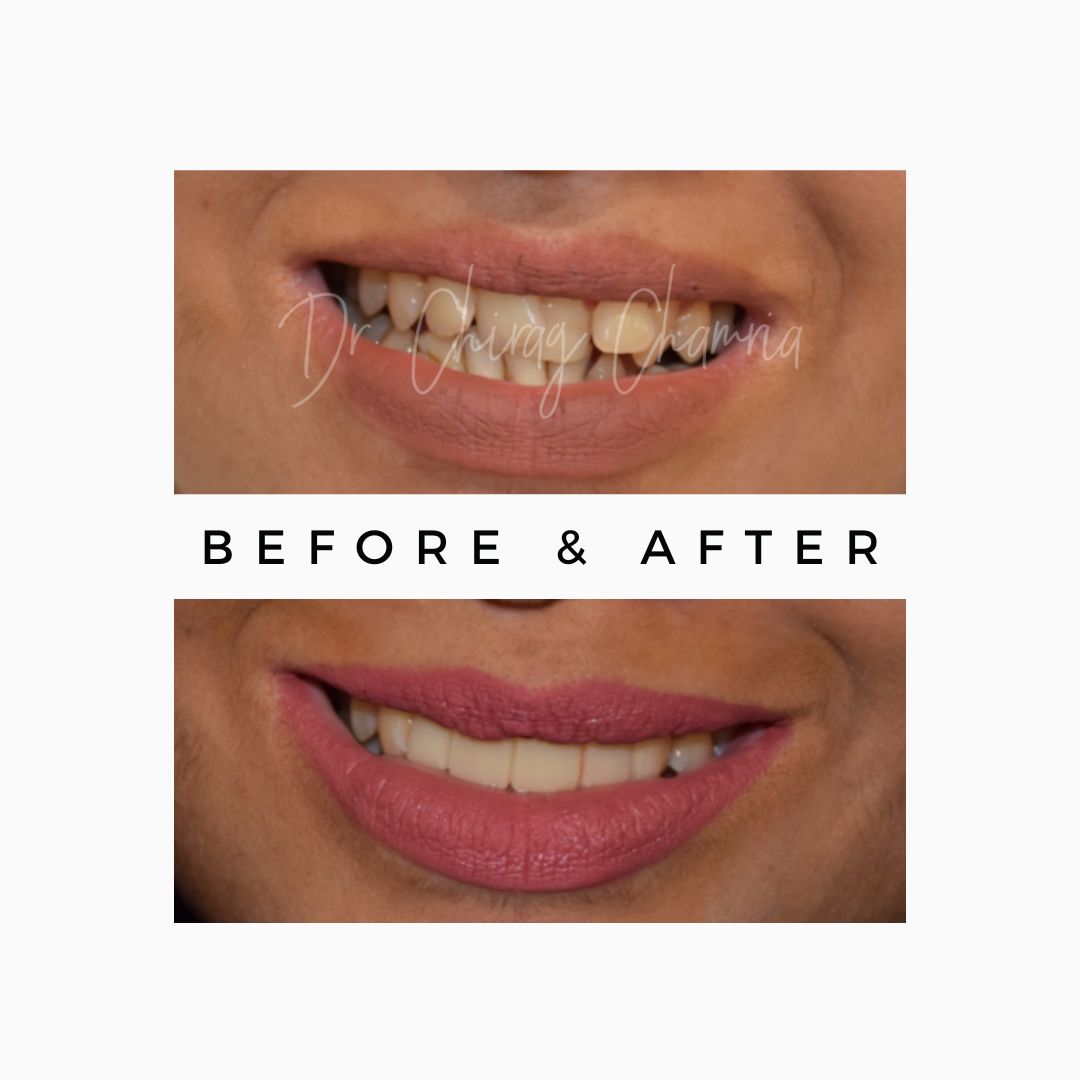
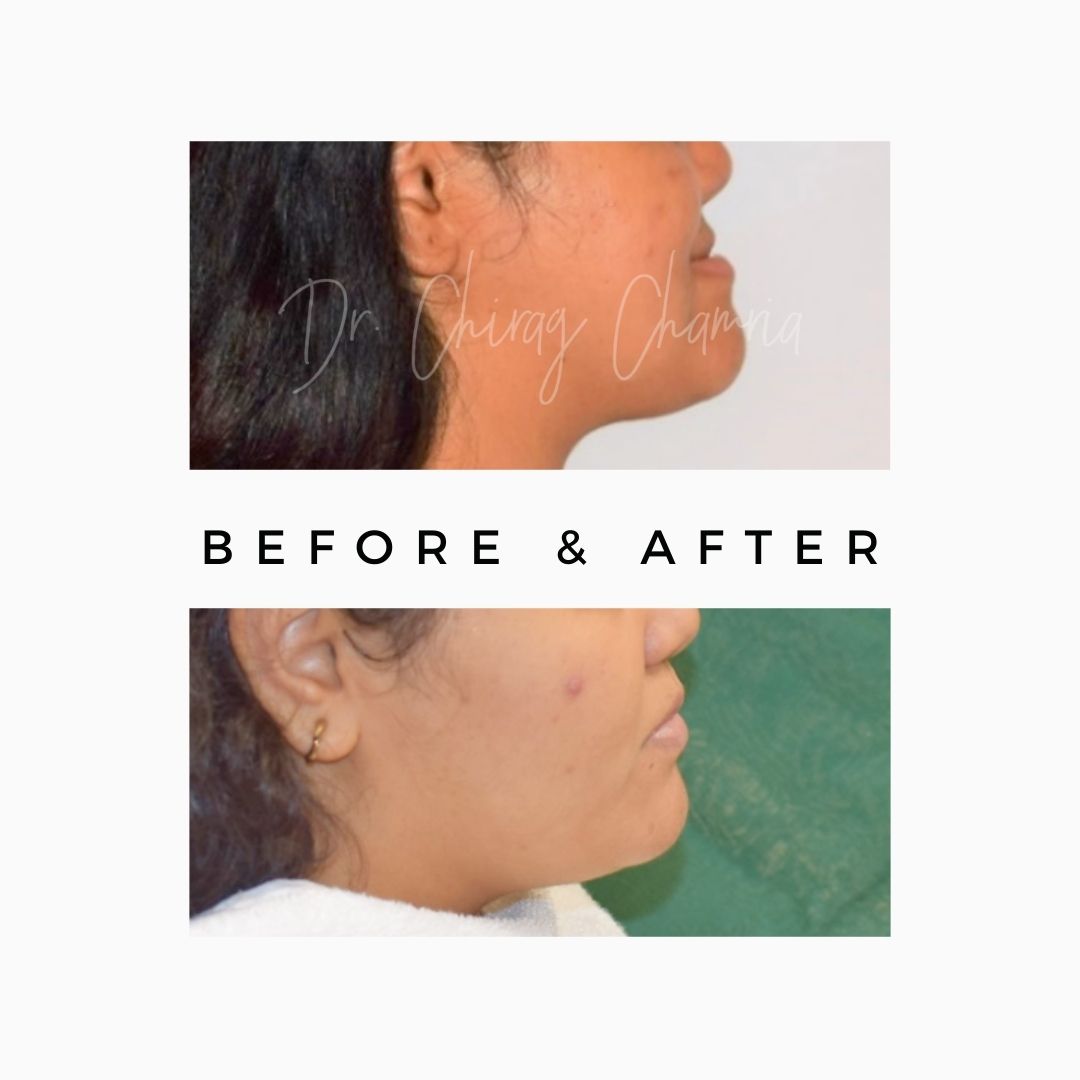
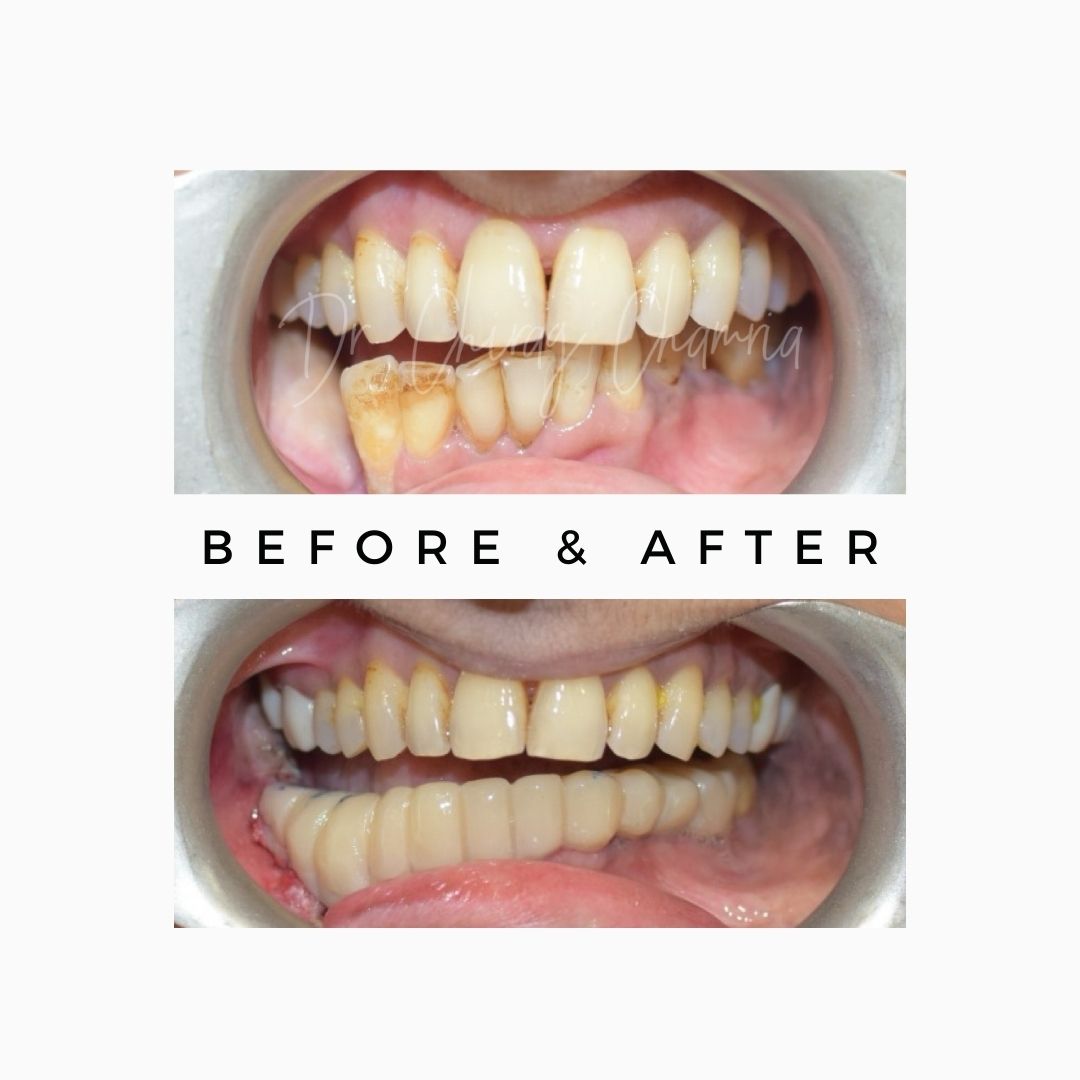
Smile Gallery | Dr Chirag Chamria
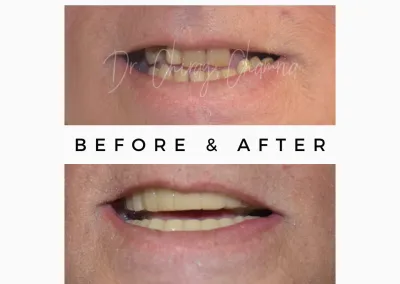
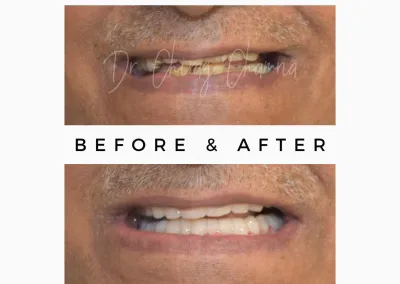
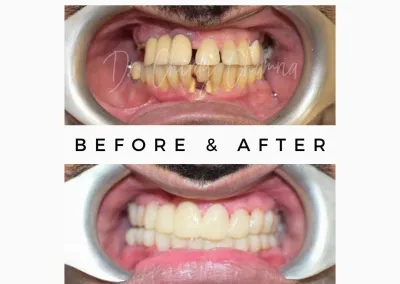
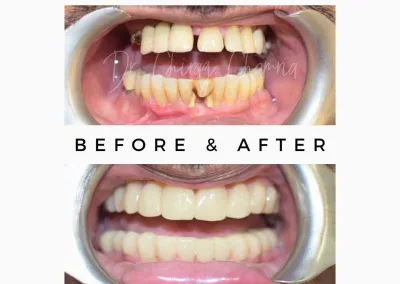
Smile Gallery | Dr Chirag Chamria
Recommended Books On Dentistry


Treatment Options | Oral & Maxillofaical Surgeon in Mumbai
Don’t Worry, We have Got You Covered! Service-free Warranty
Every person who takes treatment is different. For some a dental treatment may be 100% effective and for some it may be less effective. Therefore there cannot be any implied or express warranty for the treatment. However; based upon the experience of Dentists all over the world, some facts and figures can be assembled and an inference can be drawn as to what one must a patient expect from the treatment in most of the cases.
Know More
Wisdom Tooth Removal in Mumbai
Wisdom Tooth Removal in Mumbai – Professional Medical Overview
Wisdom tooth extraction, also known as third molar surgery, is a common but clinically significant oral and maxillofacial procedure. As an Oral and Maxillofacial Surgeon in Mumbai, Dr. Chirag Chamria provides comprehensive assessment, diagnosis, and surgical management of impacted or symptomatic third molars using evidence-based protocols and minimally invasive techniques. His practice emphasizes safe anatomical handling, nerve preservation, postoperative comfort, and long-term oral health stability.
Patients in need of a surgical teeth procedure usually have severely affected molars or severely infected teeth which require a precise and controlled removal. These treatments are surgery teeth procedures performed using modern imaging and minimal invasive effects in order to lessen pain and promote quick healing. In complicated cases that affect the proximity of nerves or an abnormal placement of teeth, our experts give personalized surgical treatment, which safeguards the surrounding features and ensures oral health in the long term.
Tooth extraction has a reliable specialist in the person of Dr. Chirag who does simple removals as well as complicated cases. His expertise in extracting third molar will guarantee that the patients are offered a safe and successful intervention to deal with problematic third molar.
Dr Chirag Chamria for Third Molar Extraction
Dr. Chirag provides the best and the latest technology for wisdom tooth removal Kandivali to make the operations accurate and painless. Patients who want to have Impacted Tooth Surgery Mumbai are depending on his experience in handling challenging cases whereby the patient has teeth that are trapped by the gum tissue or bone.
He is considered to be an expert tooth extraction surgeon Mumbai and provides outstanding results of surgeries with the minimum recovery period. His patient-first attitude is a sure way to make sure each extraction is as painless as it can be to avoid anxiety and make sure the healing process goes as quickly as possible. It does not matter the nature of the infected tooth or affected molars, Dr. Chirag has the full package of all extraction requirements.
Clinical Background
Third molars are the last teeth to erupt, typically between the ages of 17 and 25. Due to evolutionary changes in jaw size and modern dietary habits, inadequate space frequently results in impaction or partial eruption. Impacted third molars can predispose patients to a variety of pathological conditions including pericoronitis, caries of adjacent teeth, cyst formation, periodontal pocketing, and mandibular angle fractures.
Types of Impactions
Dr. Chamria evaluates the type and depth of impaction using clinical and radiographic analysis:
- Mesioangular impaction
- Vertical impaction
- Horizontal impaction
- Distoangular impaction
- Soft tissue impaction
- Complete bony impaction
- Partial bony impaction
Panoramic radiographs and CBCT imaging help assess root morphology, angulation, cortical thickness, and proximity to the inferior alveolar nerve (IAN) and lingual nerve.
Indications for Third Molar Extraction
- Recurrent pericoronitis
- Pain or swelling
- Food impaction around the operculum
- Periodontal defects on the distal surface of second molars
- Caries in third or second molars
- Cysts of odontogenic tumors associated with third molars
- Crowding or orthodontic treatment requirements
- Bone loss or mobility adjacent to impacted teeth
- Fracture risk in weakened mandibles
In asymptomatic cases, prophylactic extraction may be recommended in young adults to prevent future complications, especially when radiographic risk indicators are present.
Diagnostic Workflow
A detailed diagnostic process is essential for safe extraction outcomes, involving:
– Clinical evaluation of mouth opening, swelling, and infection
– Radiographic mapping of roots, canals, and bony encasement
– Assessment of nerve proximity using CBCT
– Evaluation of systemic conditions, medications, and surgical risk factors
Treatment Planning & Surgical Protocol
As a professionally trained oral and maxillofacial surgeon, Dr. Chamria employs a minimally invasive, controlled approach to wisdom tooth surgery. Surgical steps include:
- Preoperative preparation
– Sterile draping
– Local anesthesia or conscious sedation as required
– Preoperative antibiotics in select cases
- Incision & Flap Design
– Strategic mucoperiosteal flap elevation
– Preservation of surrounding attachments
- Bone Guttering and Tooth Sectioning
– High-speed, controlled bone removal
– Root segmentation to minimize trauma
– Continuous saline irrigation to prevent heat damage
- Nerve Preservation Techniques
– Avoidance of excessive distal or lingual retraction
– Conservative bone removal around IAN proximity areas
- Irrigation & Curettage
– Thorough cleaning of follicle remnants
– Removal of granulation tissue
- Closure
– Tension-free suturing
– Haemostasis and postoperative dressing
Postoperative Care and Recovery
Dr. Chamria follows a structured recovery protocol ensuring minimal complications:
- Cold application for 24 hours
- Soft diet recommendations
- NSAIDs or analgesics for pain control
- Antiseptic mouth rinses after 48 hours
- Antibiotics when clinically indicated
Most patients return to normal routine within 2–5 days. Complete soft tissue healing occurs in approximately two weeks, while bony remodeling continues for several months.
Potential Complications & Management
Although modern techniques significantly reduce risks, potential complications may include:
- Dry socket (alveolar osteitis)
- Swelling or limited mouth opening
- Bruising
- Infection
- Temporary neuropraxia of the IAN or lingual nerve
- Postoperative bleeding
Dr. Chamria’s protocol emphasizes early detection and prompt management of any postoperative concerns to ensure predictable recovery.
Special Considerations in High-Risk Cases
– Medically compromised individuals (diabetes, hypertension)
– Patients on anticoagulants
– Individuals with limited mouth opening or trismus
– Roots encased within the mandibular canal
– Second molar periodontal compromise
– Older adults with dense bone patterns
In such cases, modified surgical access and advanced imaging play critical roles.
Professional Summary
As a specialist in wisdom tooth removal in Mumbai, Dr. Chamria provides medically sound, low-trauma surgical management of third molars tailored to patient-specific anatomy and systemic health. His professional training, advanced imaging capabilities, and commitment to precision surgery ensure long-term function, reduced complications, and a comfortable patient experience from diagnosis through postoperative recovery.
Schedule a consultation with Dr. Chirag Chamria today for a safe and expert evaluation.
Patients who require surgical teeth procedures often face issues like deep impaction, recurrent infections, or limited jaw space that make simple extractions difficult. These cases demand a high level of precision and planning to avoid nerve complications and protect surrounding teeth. That’s why choosing an experienced specialist is essential.
For more complex conditions, surgery teeth treatments are carried out using detailed imaging, gentle techniques, and careful step-by-step execution to ensure accuracy and reduce trauma. This approach helps patients heal faster, reduces postoperative discomfort, and offers long-term protection for their oral health. With expert care, even complicated wisdom tooth cases can be managed safely and comfortably.
FAQs | Third Molar Extraction
What is oral and maxillofacial surgery?
Why is wisdom tooth removal necessary?
To prevent pain, infection, decay, and crowding of adjacent teeth.
Is wisdom tooth extraction painful?
The procedure is done under local or general anesthesia, so pain is minimized.
What is the recovery time after wisdom tooth extraction?
Recovery typically takes 3 to 7 days.
What foods can I eat after wisdom tooth removal?
Soft foods like yogurt, soups, smoothies, and mashed potatoes.
Are there risks involved in wisdom tooth extraction?
Risks are minimal but can include swelling, bleeding, or temporary numbness.
How long does the extraction procedure take?
It usually takes 20 to 40 minutes depending on the complexity.
Are the procedures painful?
No, with anesthesia and minimally invasive treatments now, the treatmenets are almost not painless.
How can I find an experienced teeth doctor?
To find a qualified and experienced teeth doctor in your area, you can ask for recommendations from your regular dentist, family, or friends. Additionally, you can search online directories or websites of dental associations that provide a list of accredited teeth doctors and their specialties in your locality. Dr Chirag Chamria in Mumbai practices painless dentistry and in most cases completes treatment in single sitting.
What is the process of getting dental treatments?
The process of getting dental treatments typically involves an initial consultation with the dentist, where the oral health is assessed, treatment options are discussed, and a personalized treatment plan is created. The actual procedure will vary based on the specific dental treatment, but in most cases the treatment is complted in single sitting. If you are travelling from abroad, we recommend a stay of 5-7 days for post treatment bite. adjustments
When should I consult a surgeon for wisdom tooth removal?
If you experience pain, swelling, gum infection, or difficulty in chewing.