
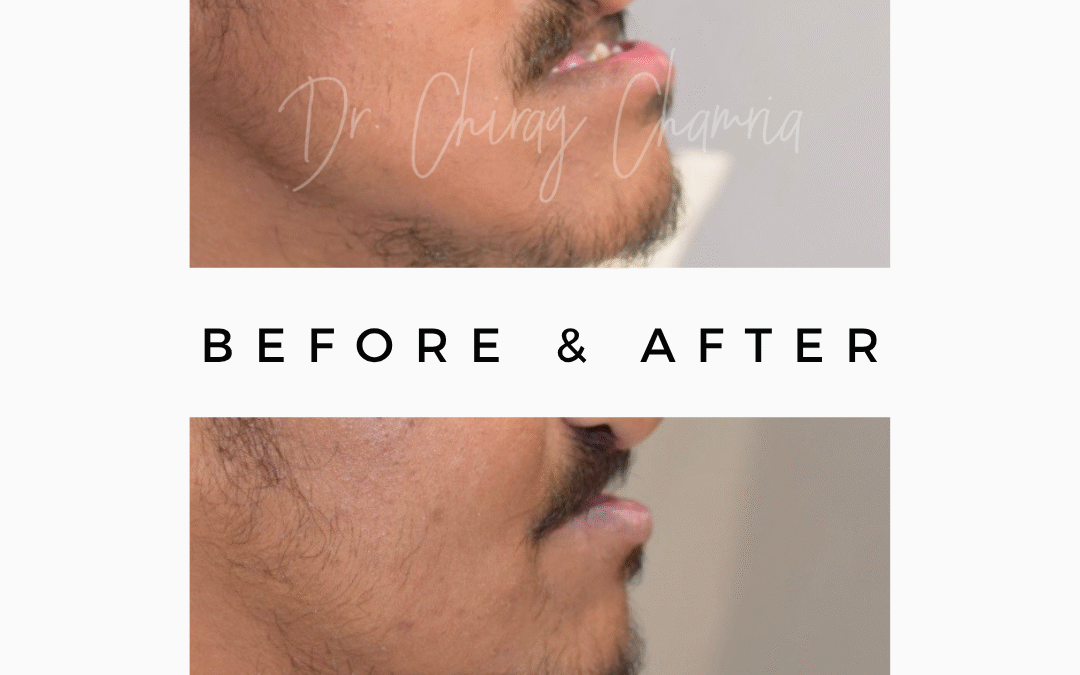
Jaw protrusion, sometimes called an “underbite” or mandibular prognathism, is a condition where the lower jaw sticks out farther than the upper jaw. This can affect how your teeth meet when you bite, your facial appearance, and even your speech and chewing. If you or someone you know has jaw protrusion, don’t worry there are effective treatments available.We’ll explain what jaw protrusion is, what causes it, and the different ways it can be treated, all in simple language.
What Is Jaw Protrusion?
Jaw protrusion means that the lower jaw (mandible) is positioned too far forward compared to the upper jaw (maxilla). This can cause the lower teeth to extend beyond the upper teeth when the mouth is closed.
You might notice:
- The chin looks very prominent.
- The teeth don’t line up correctly.
- Difficulty biting or chewing food.
- Speech difficulties.
- Sometimes jaw pain or discomfort.
Jaw protrusion can happen at any age, but it often becomes noticeable during childhood or teenage years when the jaw is still growing.
What Causes Jaw Protrusion?
There are several reasons why someone might have a protruding jaw:
- Genetics: Often, jaw shape and size run in families. If parents have a protruding jaw, children might too.
- Growth Problems: Sometimes the lower jaw grows faster or more than the upper jaw during childhood.
- Habits: Childhood habits like thumb sucking or tongue thrusting can influence jaw development.
- Injuries: Trauma to the jawbone during growth years might cause misalignment.
- Medical Conditions: Certain conditions like acromegaly (excess growth hormone) can cause jaw protrusion.
Why Is Jaw Protrusion a Problem?
- Appearance: Many people feel self-conscious about how their jaw looks.
- Bite Problems: Misaligned jaws cause an improper bite, which can make chewing difficult.
- Speech: Some sounds may be harder to pronounce.
- Dental Health: Teeth that don’t meet properly wear down faster and are prone to cavities.
- Jaw Pain: Sometimes the jaw joint (TMJ) hurts or feels stiff.
Because of these problems, many people want to correct their jaw alignment.
How Is Jaw Protrusion Diagnosed?
If you think you have a protruding jaw, the first step is to visit a dentist or orthodontist. They will:
- Examine your teeth and jaw alignment.
- Take X-rays or 3D scans to see the bone structure.
- Discuss your medical and family history.
This helps them understand the severity and cause of the jaw protrusion.
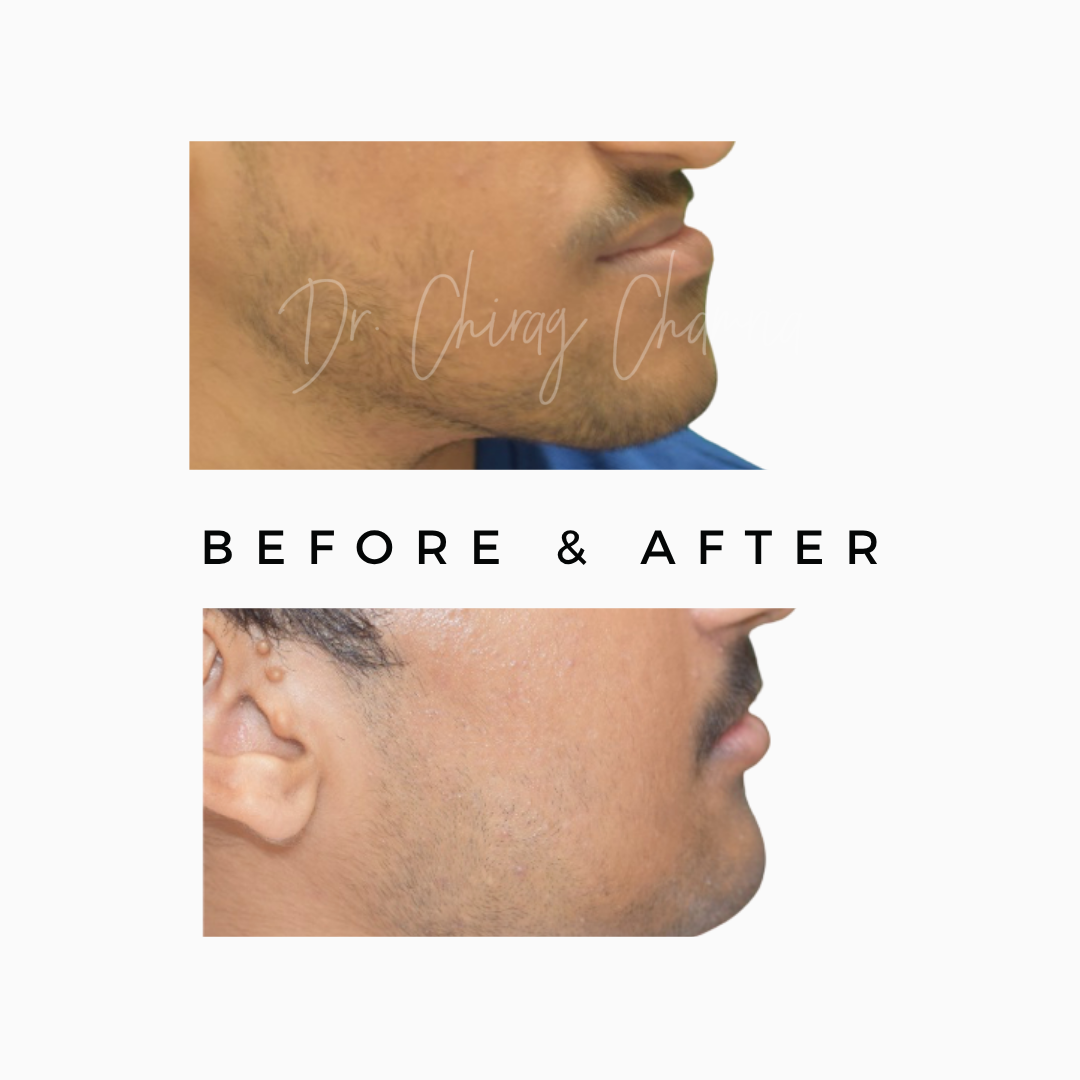
Facial Correction Surgery
When precision matters most — Dr. Chirag leads from the front.
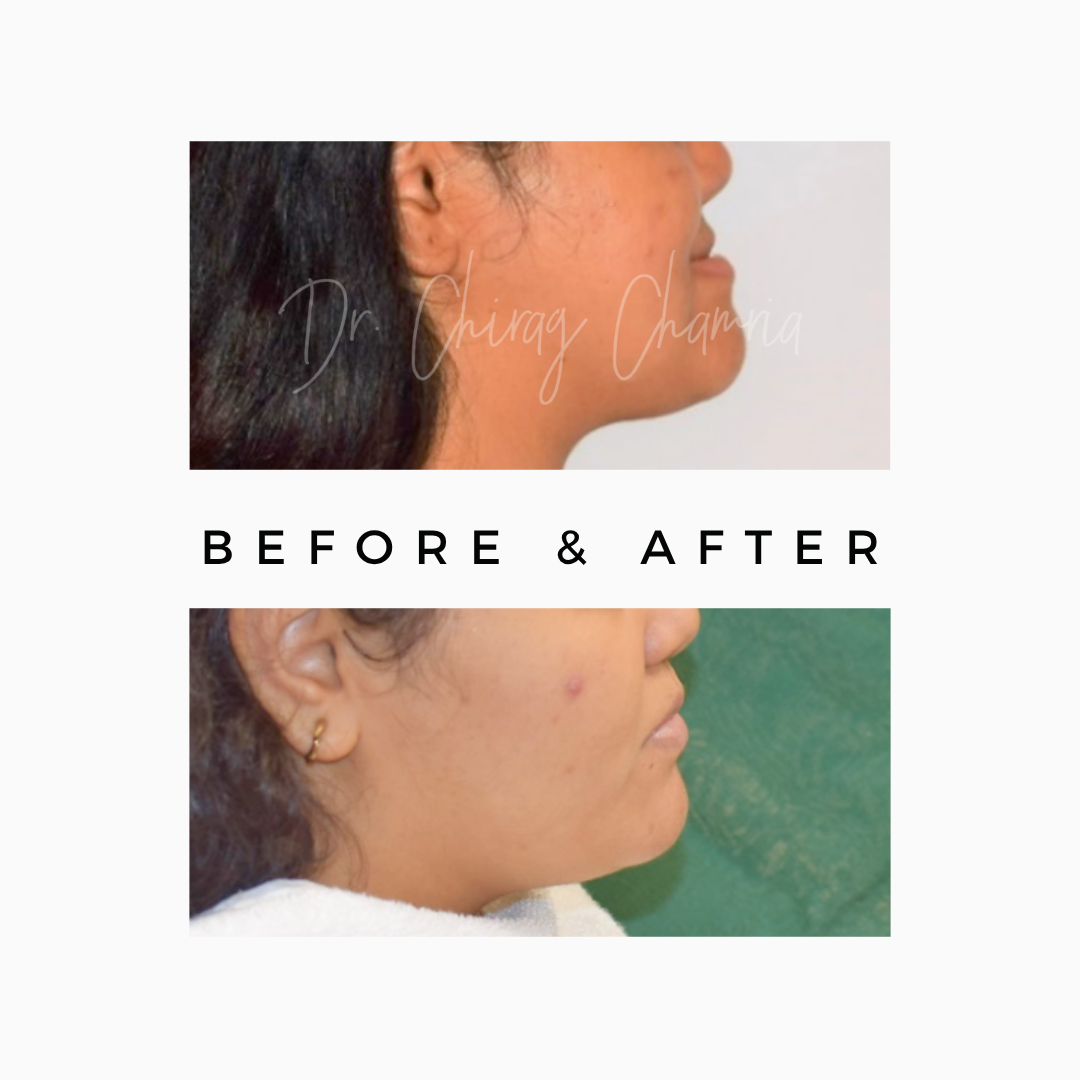
Jaw Correction Surgery
Surgical design backed by decades of experience and data.
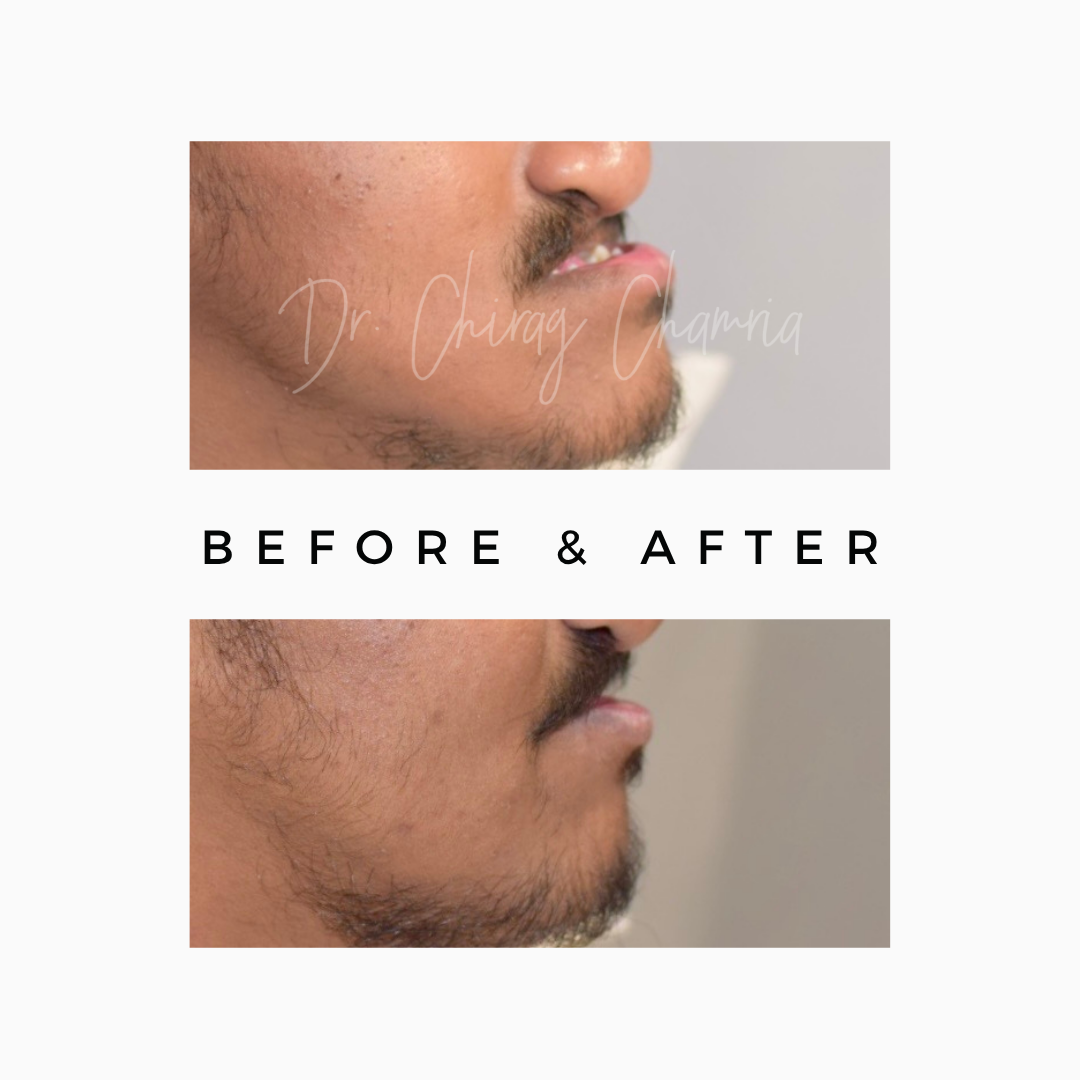
Jaw Protrusion Surgery
Shaping the future of oral jaw surgery with every successful outcome.
Treatment Options for Jaw Protrusion
The treatment for jaw protrusion depends on age, the severity of the condition, and whether the jaws are still growing. Treatments can include orthodontics (braces), appliances, surgery, or a combination.
Orthodontic Treatment
If caught early, especially in children and teenagers, orthodontic treatment can guide jaw growth.
- Braces: Help to align the teeth properly.
- Functional Appliances: These are special devices that encourage the lower jaw to grow less or the upper jaw to grow more, balancing the jaw positions.
- Headgear: Sometimes used to restrict lower jaw growth.
- Elastics (Rubber Bands): Used with braces to adjust the bite by pulling the jaw into a better position.
Orthodontics is usually the first step and may be enough for mild to moderate cases, especially in young patients.
Jaw Surgery (Orthognathic Surgery)
For adults or severe cases, surgery may be necessary because the bones have stopped growing.
What is Orthognathic Surgery?
It’s a procedure where a maxillofacial surgeon carefully moves the jaws into a better position. This surgery can:
- Move the lower jaw backward.
- Move the upper jaw forward.
- Or both.
After surgery, orthodontic treatment is usually needed to fine-tune the bite.
Combination Treatment
Many people need a combination of braces and surgery. The orthodontist aligns the teeth before surgery, the surgeon moves the jaw, and then braces are used again after surgery to perfect the alignment.
What to Expect During Treatment?
- Early Treatment: Kids with jaw protrusion might wear braces or special devices for 1-2 years.
- Surgery: If surgery is needed, the hospital stay is usually a few days, and recovery may take several weeks.
- Post-Treatment: After braces and surgery, you will likely wear retainers to keep teeth in the right place.
Can Jaw Protrusion Be Prevented?
Because jaw protrusion is often genetic, it’s hard to prevent entirely. However, good habits can help reduce risks:
- Avoid prolonged thumb sucking or pacifier use.
- Address tongue thrust or mouth breathing early.
- Regular dental check-ups for early detection.
Living with Jaw Protrusion
If untreated, jaw protrusion can cause long-term dental problems and affect your confidence. But with modern treatments, most people achieve a balanced smile and comfortable bite.
If you notice signs of jaw protrusion in yourself or your child, don’t hesitate to see a dental professional for advice.
Jaw protrusion might seem scary at first, but many safe and effective treatments are available. Whether through braces, special devices, or surgery, you can improve your jaw alignment, bite, and smile.
Remember, the best treatment plan depends on individual needs, so professional advice is key. If you or a loved one is struggling with a protruding jaw, make an appointment today to explore the best options.